Ermine vs Least Weasel: Key Differences Between These Small Predators
The Ermine (Mustela erminea) and Least Weasel (Mustela nivalis) represent nature’s smallest carnivorous mammals, often confused due to their similar appearance. While both belong to the mustelid family, the Ermine measures 7-13 inches (17-33 cm) in length, notably larger than the Least Weasel at 4-10 inches (10-25 cm). This size difference marks just the beginning of fascinating distinctions between these skilled hunters.
Understanding the differences between Ermine vs Least Weasel becomes crucial for wildlife enthusiasts and researchers alike. These agile predators share similar habitats across the Northern Hemisphere, yet exhibit distinct characteristics in their hunting strategies, seasonal adaptations, and physical features that set them apart.
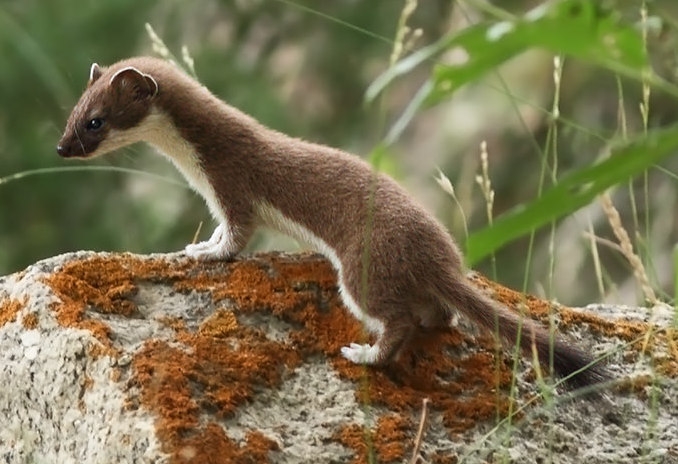
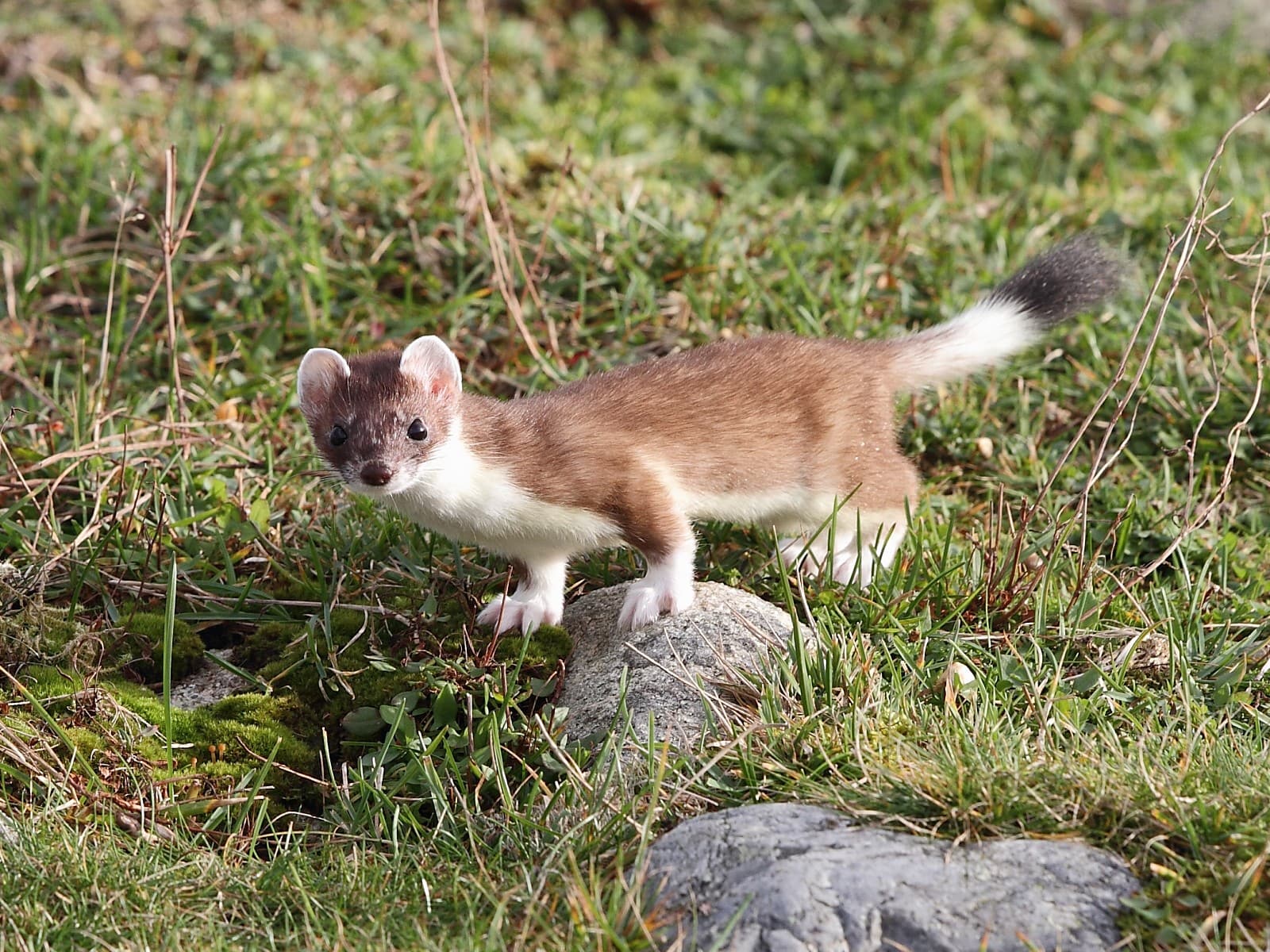
© soumyajit nandy from Kolkata, India / CC BY-SA 2.0
The Ermine, also known as the Stoat, showcases its distinctive summer coat with the characteristic black-tipped tail that distinguishes it from its smaller cousin, the Least Weasel.
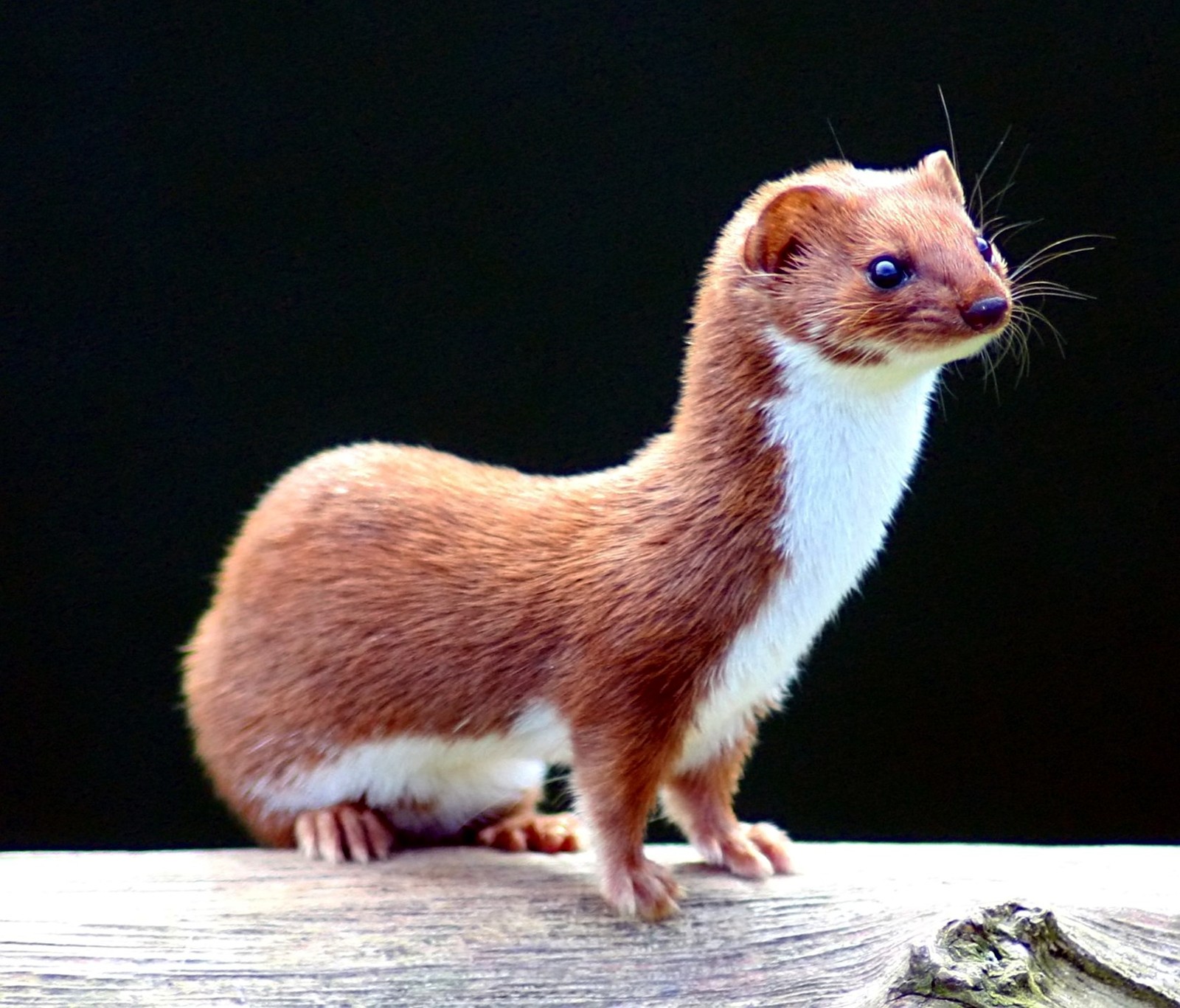
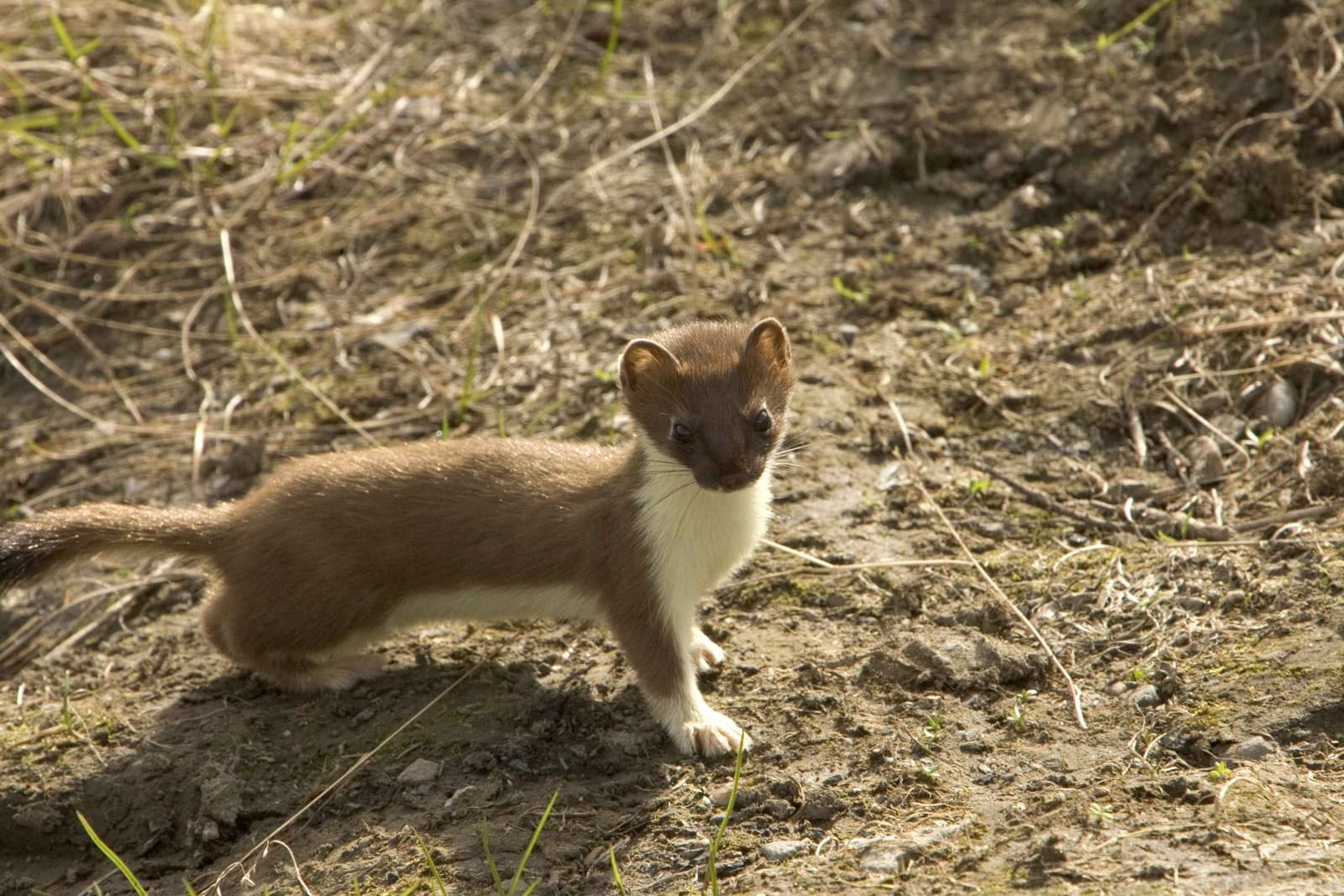
© Keven Law / CC BY-SA 2.0
The Least Weasel, nature’s smallest carnivore, displays its compact size and uniform coloration without the black tail tip characteristic of its larger relative.
Key Physical Differences
| Feature | Ermine | Least Weasel |
|---|---|---|
| Size | 7-13 inches (17-33 cm) | 4-10 inches (10-25 cm) |
| Weight | 2.5-7 oz (70-200 g) | 1-2.5 oz (25-70 g) |
| Tail | Black-tipped, longer | No black tip, shorter |
| Winter Coat | Pure white with black tail tip | Pure white, no black tip |
| Body Shape | Longer, more robust | More compact, slender |
| Hunting Range | Up to 200 acres | Up to 50 acres |
Habitat and Distribution
Both species demonstrate remarkable adaptability across northern ecosystems, but their preferred habitats show subtle differences. Ermines typically occupy:
- Dense forest undergrowth
- Rocky outcrops
- Hedgerows
- Alpine meadows up to 10,000 feet (3,000 m)
Least Weasels prefer:
- Open grasslands
- Agricultural fields
- Forest edges
- Lower elevation areas below 6,000 feet (1,800 m)
Hunting Behavior and Diet
The hunting strategies of these mustelids reveal key evolutionary adaptations. Ermines typically:
- Target larger prey like rabbits and hares
- Hunt in more open terrain
- Cache excess food for later
- Demonstrate complex stalking behavior
Least Weasels specialize in:
- Pursuing smaller rodents in tunnels
- Continuous hunting due to higher metabolism
- Taking prey up to 50% of their body weight
- More frequent feeding intervals
Seasonal Adaptations
Winter Coat Changes
Both species undergo remarkable seasonal transformations, but timing and triggers differ:
Ermine:
- Changes to white in early winter
- Maintains black tail tip year-round
- Molt triggered by photoperiod
- Complete change takes 4-6 weeks
Least Weasel:
- Variable white winter coat depending on latitude
- No black tail tip in any season
- Some populations remain brown year-round
- Faster molt period of 2-4 weeks
Conservation Status and Threats
While both species maintain stable populations across their range, they face distinct challenges:
Ermine:
- More resilient to habitat fragmentation
- Threatened by fur trapping in some regions
- Adaptable to human-modified landscapes
- Listed as Least Concern by IUCN
Least Weasel:
- More vulnerable to habitat loss
- Declining in some agricultural areas
- Susceptible to rodenticide poisoning
- Population trends need more research
Understanding the distinctions between Ermine vs Least Weasel helps appreciate these remarkable predators’ roles in maintaining ecosystem balance. While similar at first glance, their unique adaptations and behaviors showcase nature’s incredible diversity in the mustelid family.