Lynx vs Norwegian Forest Cat: Wild Hunter Meets Domestic Giant
The Lynx and Norwegian Forest Cat represent a fascinating contrast between wild and domestic felines that often draws comparison due to their similar Nordic origins and robust builds. While the Lynx stands as a formidable predator weighing up to 65 pounds (29.5 kg), the Norwegian Forest Cat typically reaches just 16 pounds (7.2 kg) at its largest. Despite their shared cold-weather adaptations, these cats differ dramatically in both size and lifestyle.
At first glance, these northern-adapted cats share several physical characteristics: prominent ear tufts, thick fur, and impressive ruffs around their necks. However, the similarities end there. The Lynx is a skilled wilderness hunter with specialized features for catching prey in deep snow, while the Norwegian Forest Cat has evolved into a beloved domestic companion, though maintaining its impressive climbing abilities and weather-resistant coat.
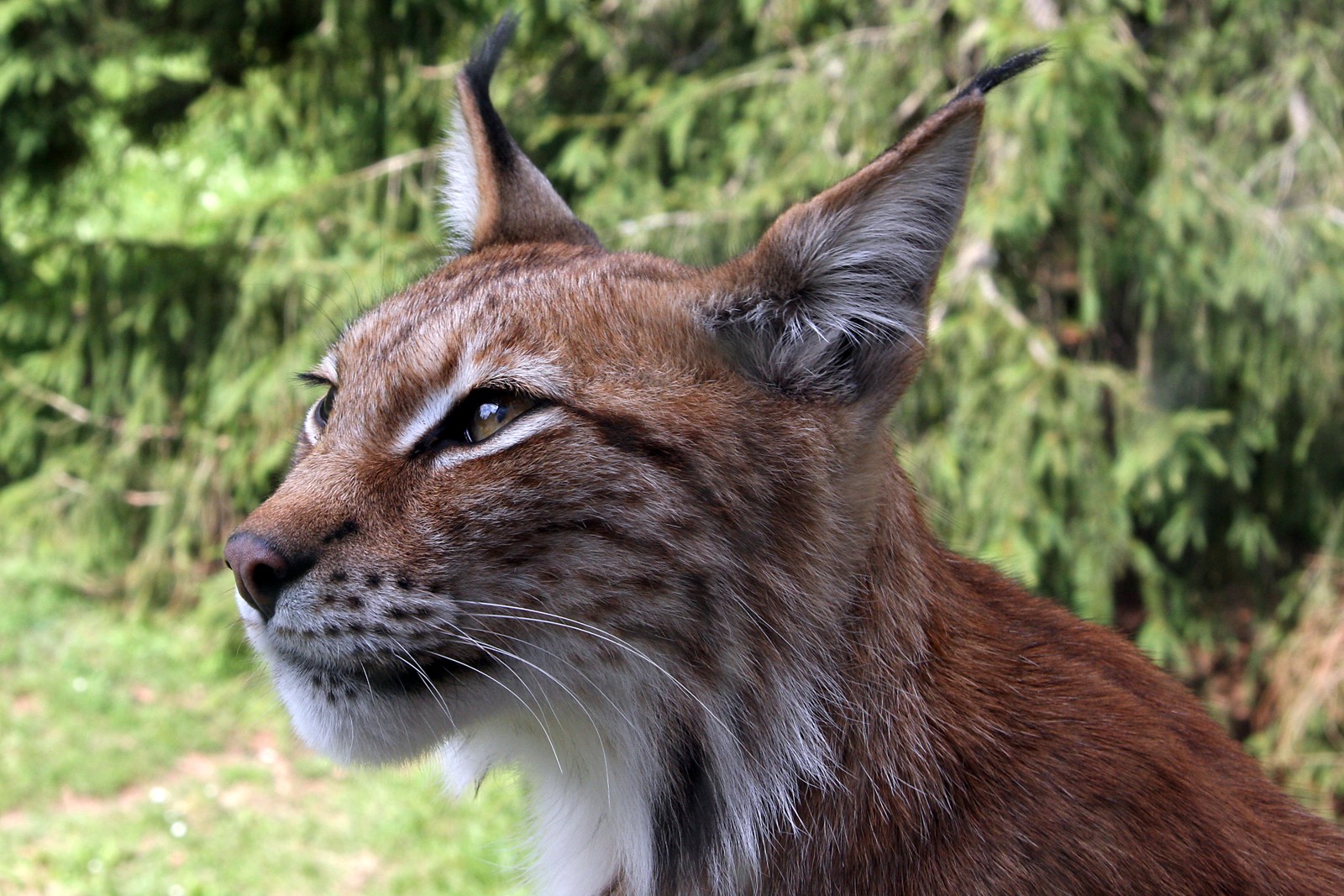
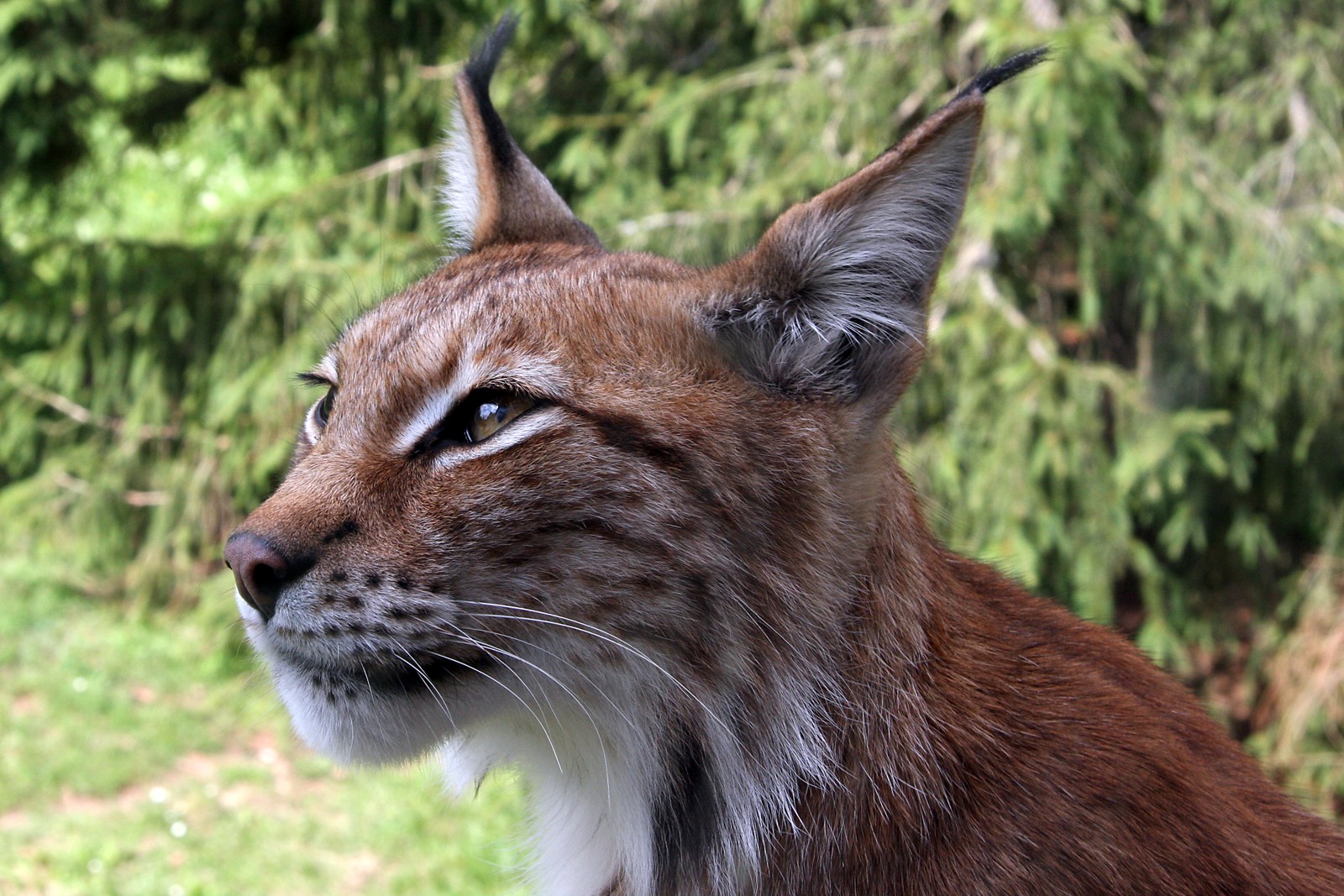
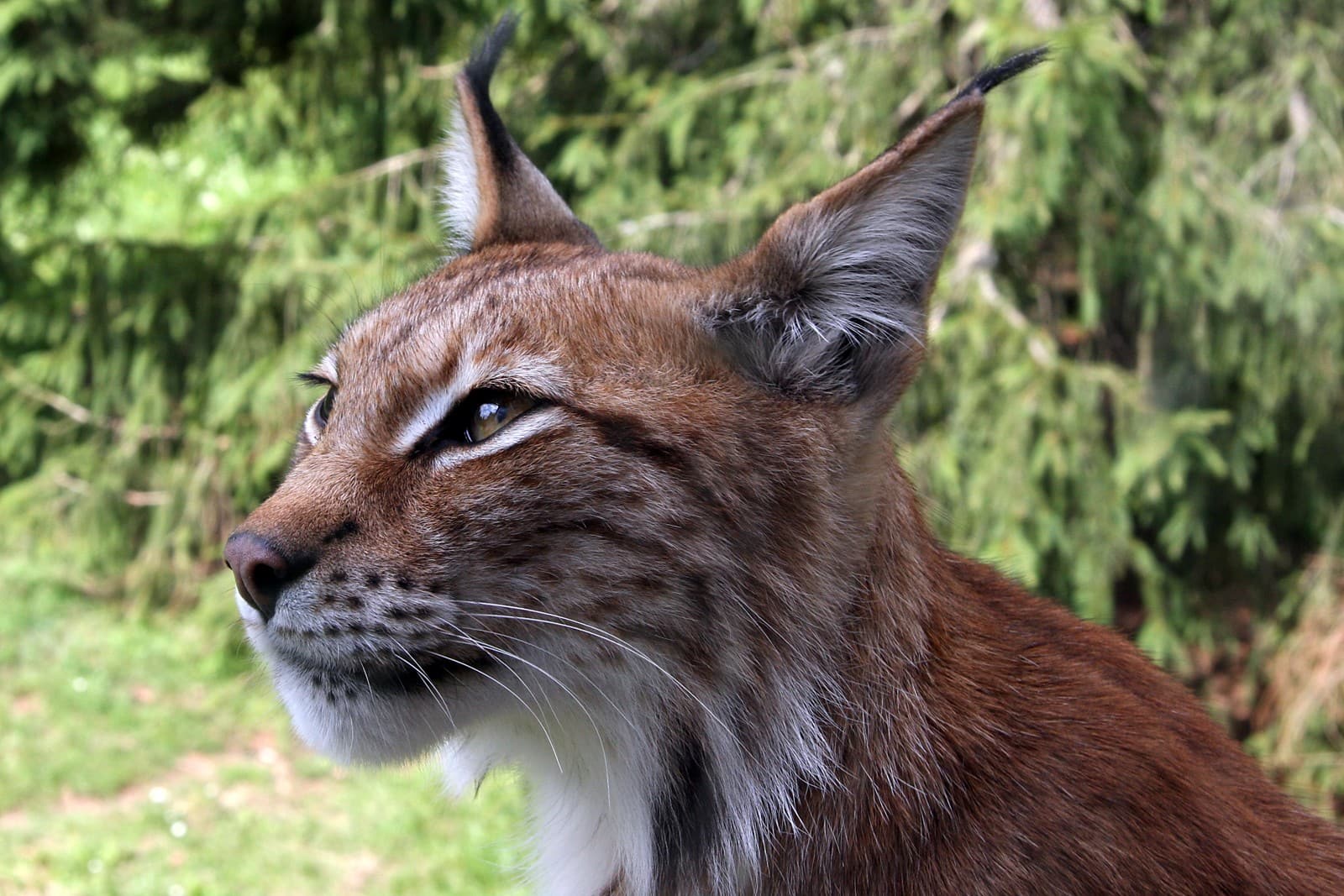
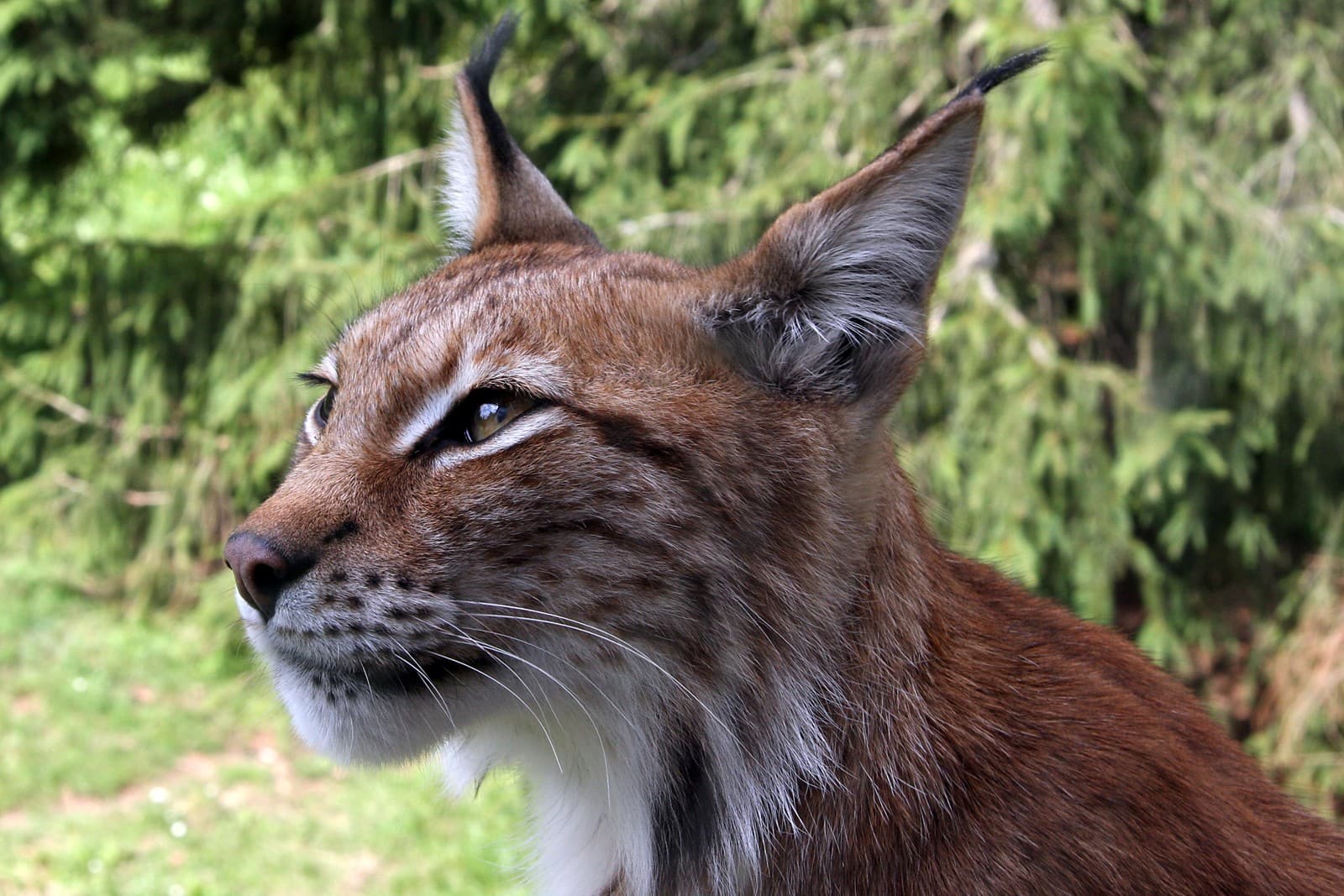
The Eurasian Lynx displays its characteristic wild features, including prominent ear tufts and muscular build that distinguish it from any domestic cat breed. Note the distinctive facial ruff and powerful neck structure typical of this apex predator.
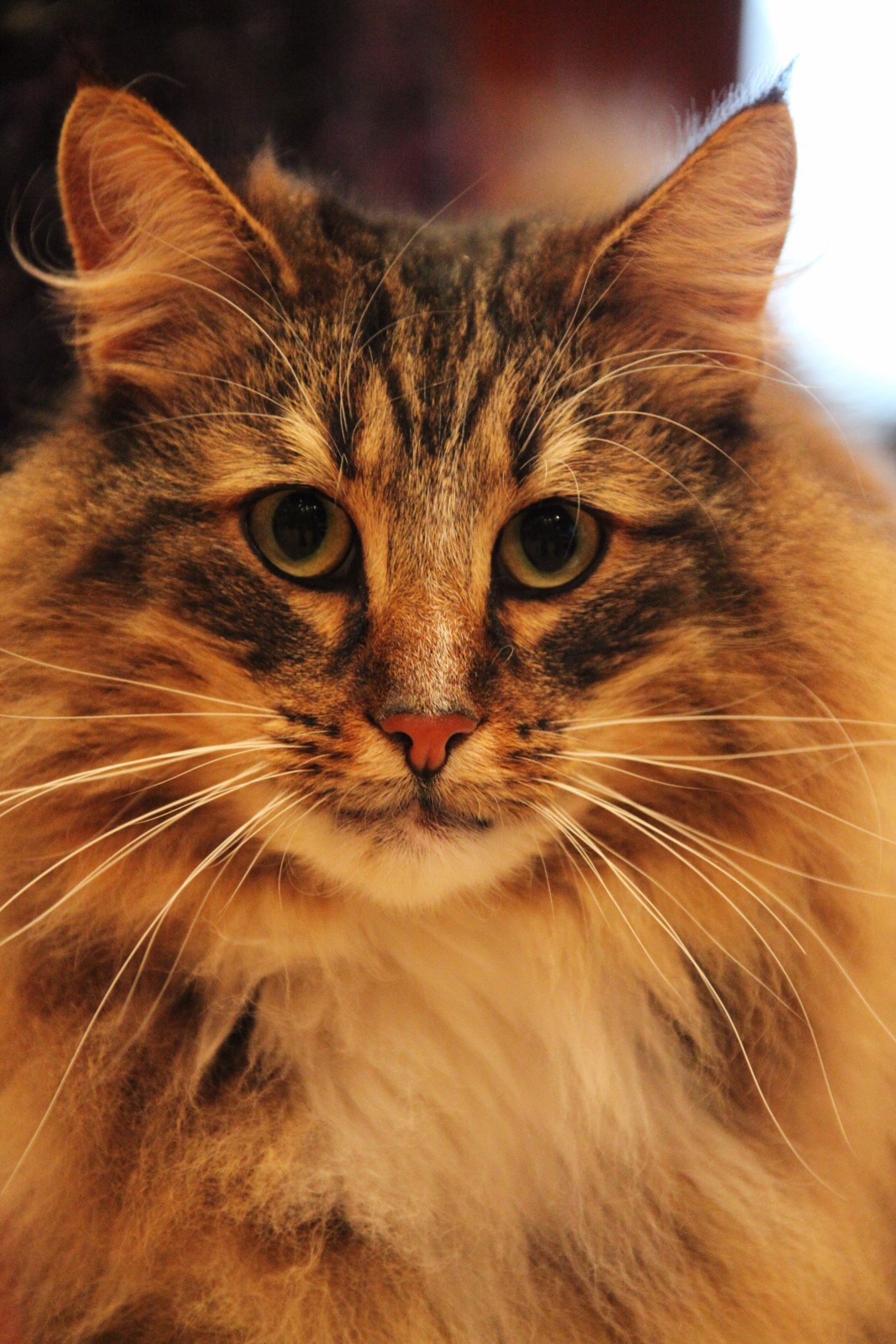
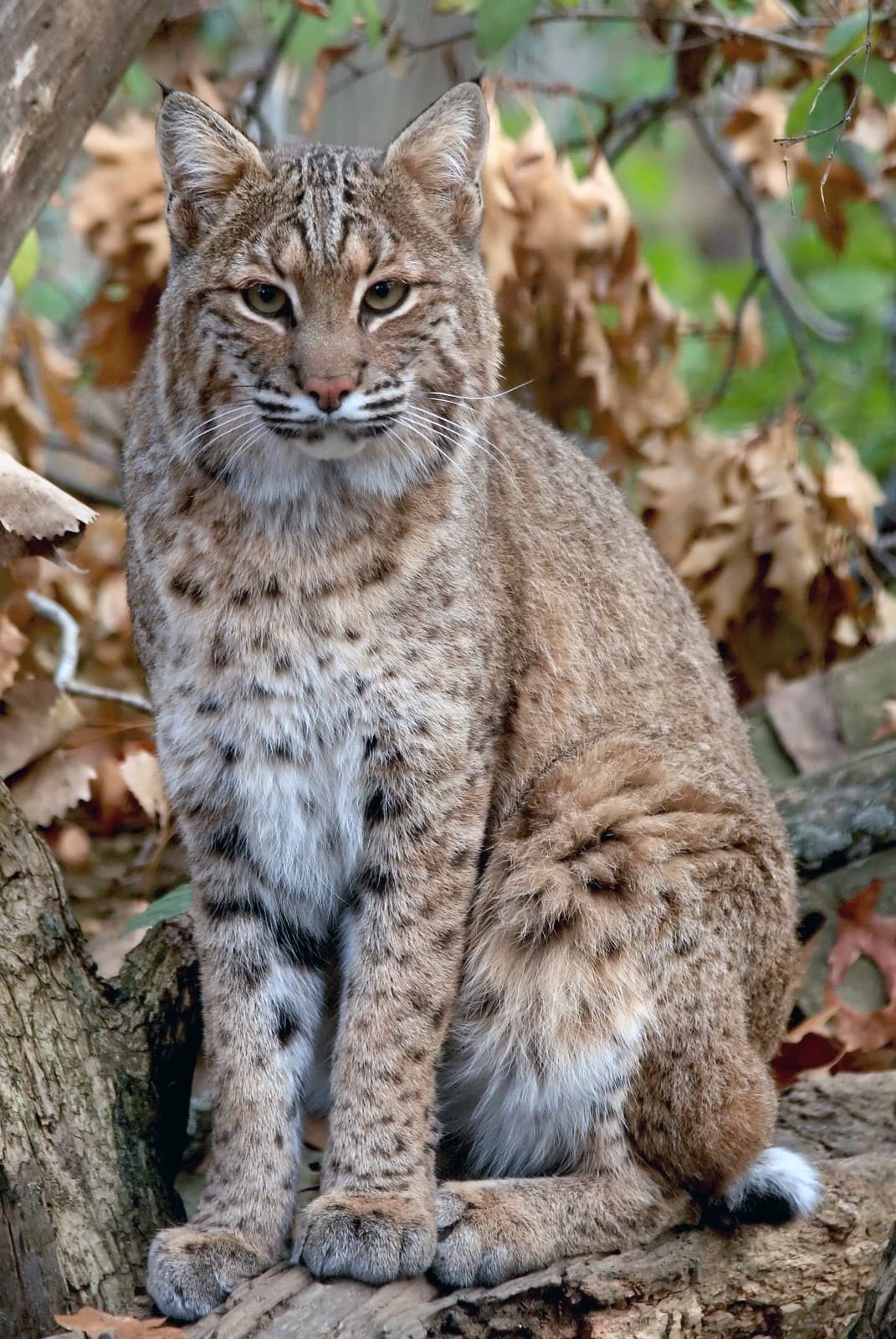
The Norwegian Forest Cat exhibits its distinctive domestic beauty with a luxurious double coat and friendly expression, showcasing the breed’s adaptation to human companionship while maintaining its robust forest cat heritage.
Key Physical Differences
| Feature | Lynx | Norwegian Forest Cat |
|---|---|---|
| Weight | 40-65 lbs (18-29.5 kg) | 9-16 lbs (4-7.2 kg) |
| Height | 24-28 inches (61-71 cm) | 9-12 inches (23-30 cm) |
| Ear Tufts | Very pronounced black tufts | Moderate tufts with lynx-like tips |
| Tail Length | Short, bobbed 4-8 inches | Long, full 12-17 inches |
| Paw Size | Large, snowshoe-like | Medium, proportional |
| Coat Type | Dense double coat with shorter fur | Long double coat with water-resistant outer layer |
Habitat and Lifestyle
Lynx Natural Environment
- Inhabits remote forest regions across Europe and Asia
- Territory range: 20-500 square miles (52-1,295 km²)
- Solitary hunter except during mating season
- Primarily preys on deer, hares, and other wild game
- Active mainly during dawn and dusk
Norwegian Forest Cat Living Conditions
- Domesticated breed adapted to human homes
- Thrives in both indoor and outdoor environments
- Social with families and other pets
- Requires climbing opportunities and environmental enrichment
- Active throughout day with crepuscular tendencies
Behavioral Characteristics
The Lynx demonstrates purely wild hunting behaviors, capable of taking down prey many times its size and jumping up to 25 feet (7.6 meters) horizontally. Norwegian Forest Cats, while excellent climbers and mousers, display domesticated behaviors including:
- Social bonding with humans
- Use of litter boxes
- Acceptance of regular feeding schedules
- Playful interaction with toys
- Tolerance of handling and grooming
Historical Development
Lynx Evolution
- Ancient species dating back 12 million years
- Naturally evolved for northern wilderness survival
- Maintained consistent wild characteristics
- Four distinct species worldwide
Norwegian Forest Cat Development
- Natural breed evolved from European short-haired cats
- Official recognition in 1930s Norway
- Selective breeding enhanced cold-weather traits
- Preserved through organized breeding programs
Care and Conservation
The Lynx requires large protected territories and faces conservation challenges including:
- Habitat fragmentation
- Human conflict
- Prey availability
- Poaching concerns
Norwegian Forest Cats need:
- Regular veterinary care
- Daily grooming
- Indoor enrichment
- Balanced nutrition
- Climbing opportunities
Size Comparison Impact
While both cats evolved for cold climates, their size difference reflects their distinct ecological roles:
Lynx Advantages:
- Superior hunting capability
- Greater strength and agility
- Enhanced survival adaptations
- Larger prey capability
Norwegian Forest Cat Benefits:
- Better suited to domestic life
- More manageable size for human care
- Lower food requirements
- Easier veterinary handling
This comprehensive comparison reveals that despite surface similarities, the Lynx and Norwegian Forest Cat represent distinctly different branches of feline evolution, each perfectly adapted to their respective roles in nature and human society.