Musk Ox vs Reindeer: Arctic Giants Compared (Size, Strength & Survival)
When comparing Musk Ox vs Reindeer, we find two remarkably different strategies for Arctic survival. Musk oxen are massive bovines weighing up to 800 pounds (363 kg), equipped with thick wool and defensive horns, while reindeer are agile cervids reaching 350 pounds (159 kg), built for long-distance migration and featuring distinctive antlers in both males and females.
These Arctic specialists have evolved distinct approaches to surviving extreme northern conditions. Musk oxen stand their ground against predators and weather, while reindeer undertake some of the longest land migrations of any mammal, covering up to 3,000 miles (4,828 km) annually.
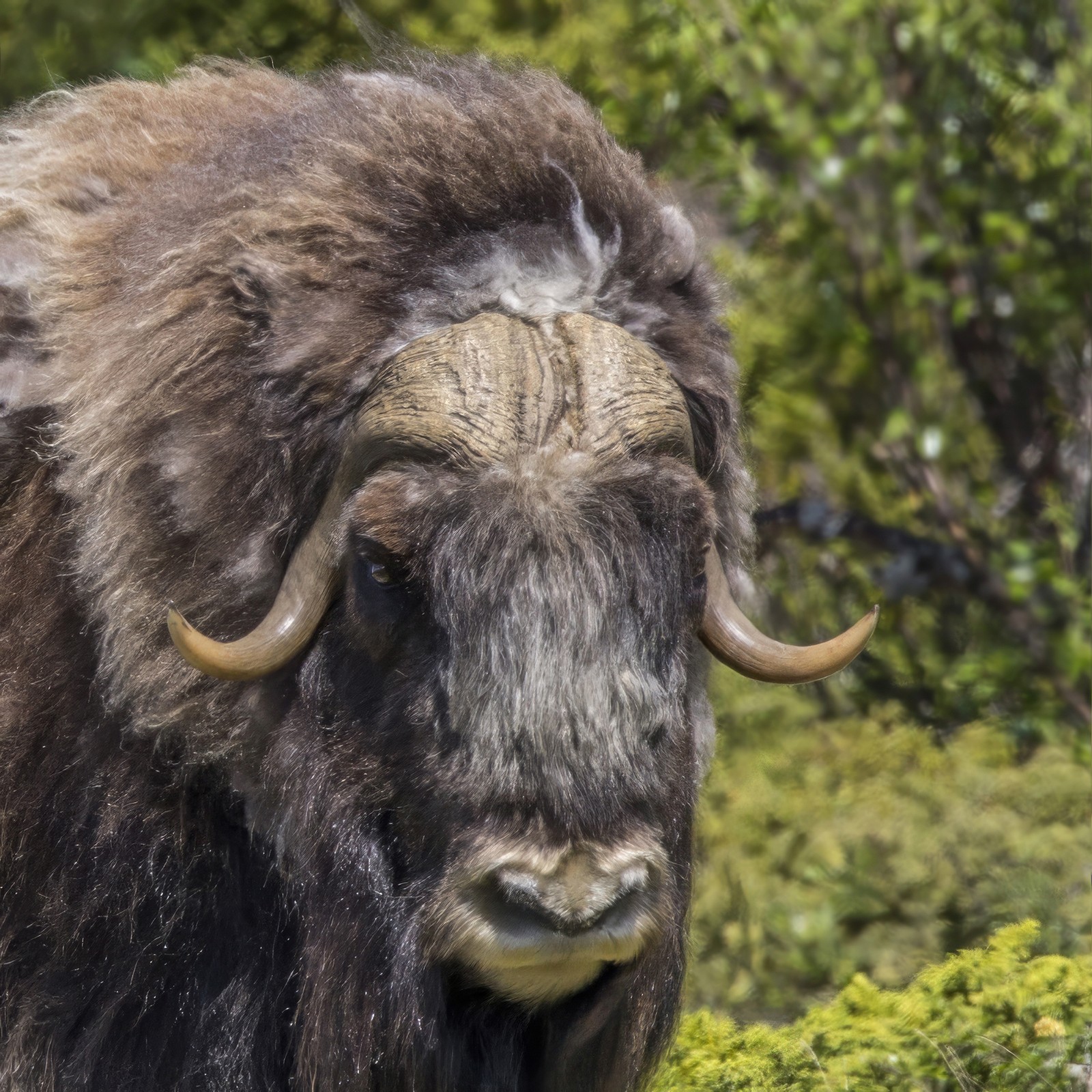
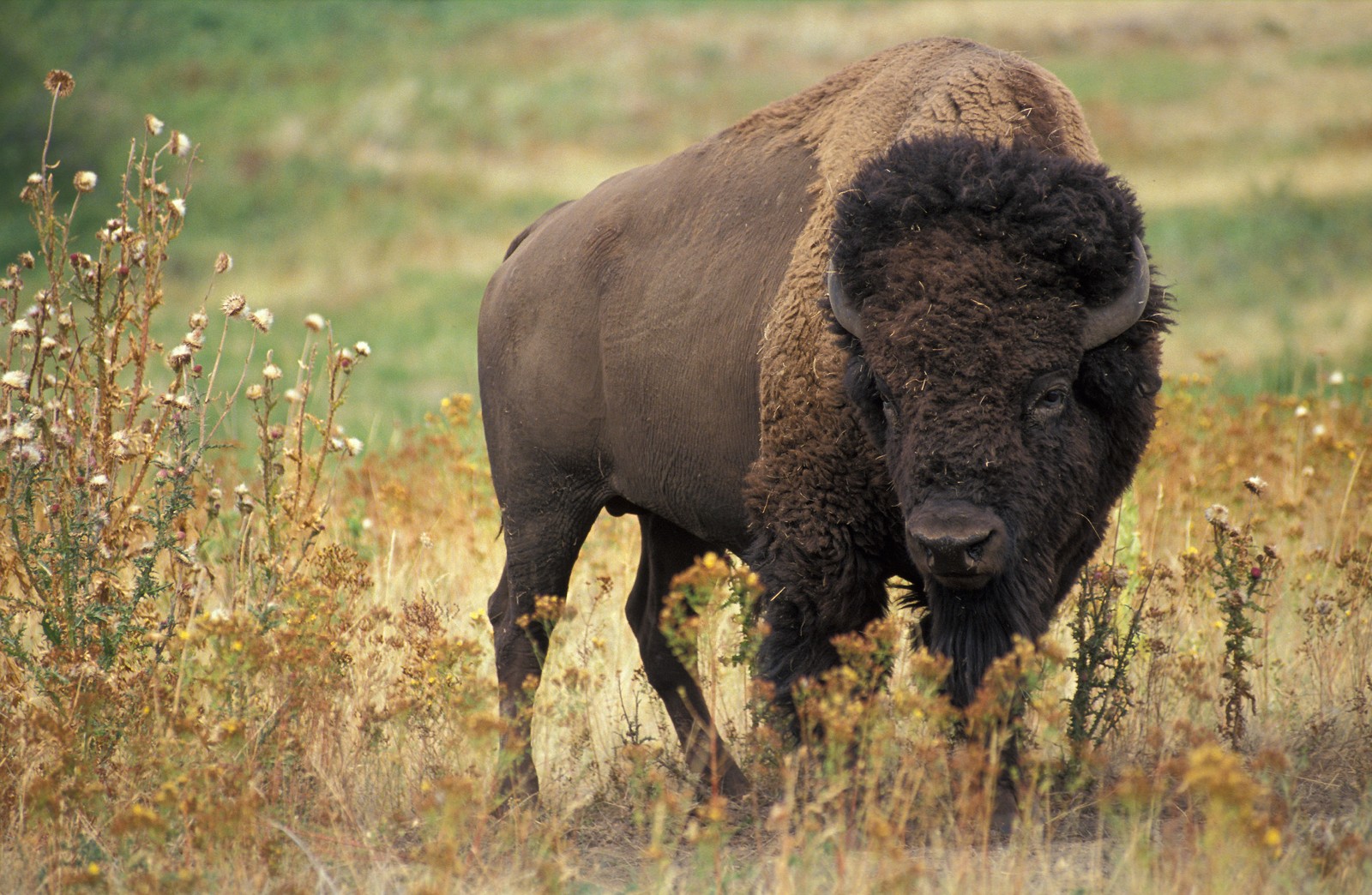
© Charles J. Sharp / CC BY-SA 4.0
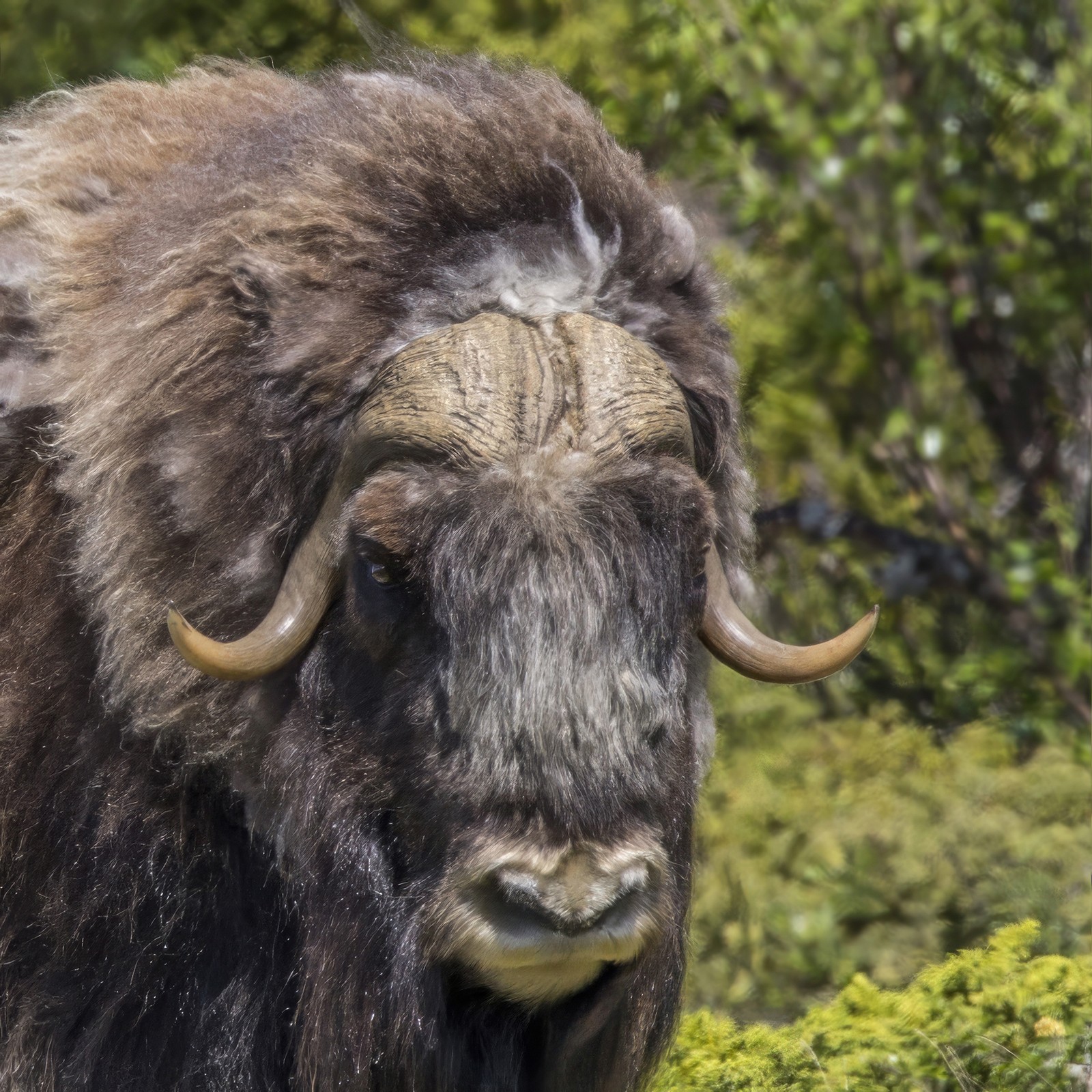
The musk ox’s impressive defensive features include curved horns and a thick qiviut undercoat that’s eight times warmer than sheep’s wool, allowing survival in temperatures as low as -70°F (-57°C).
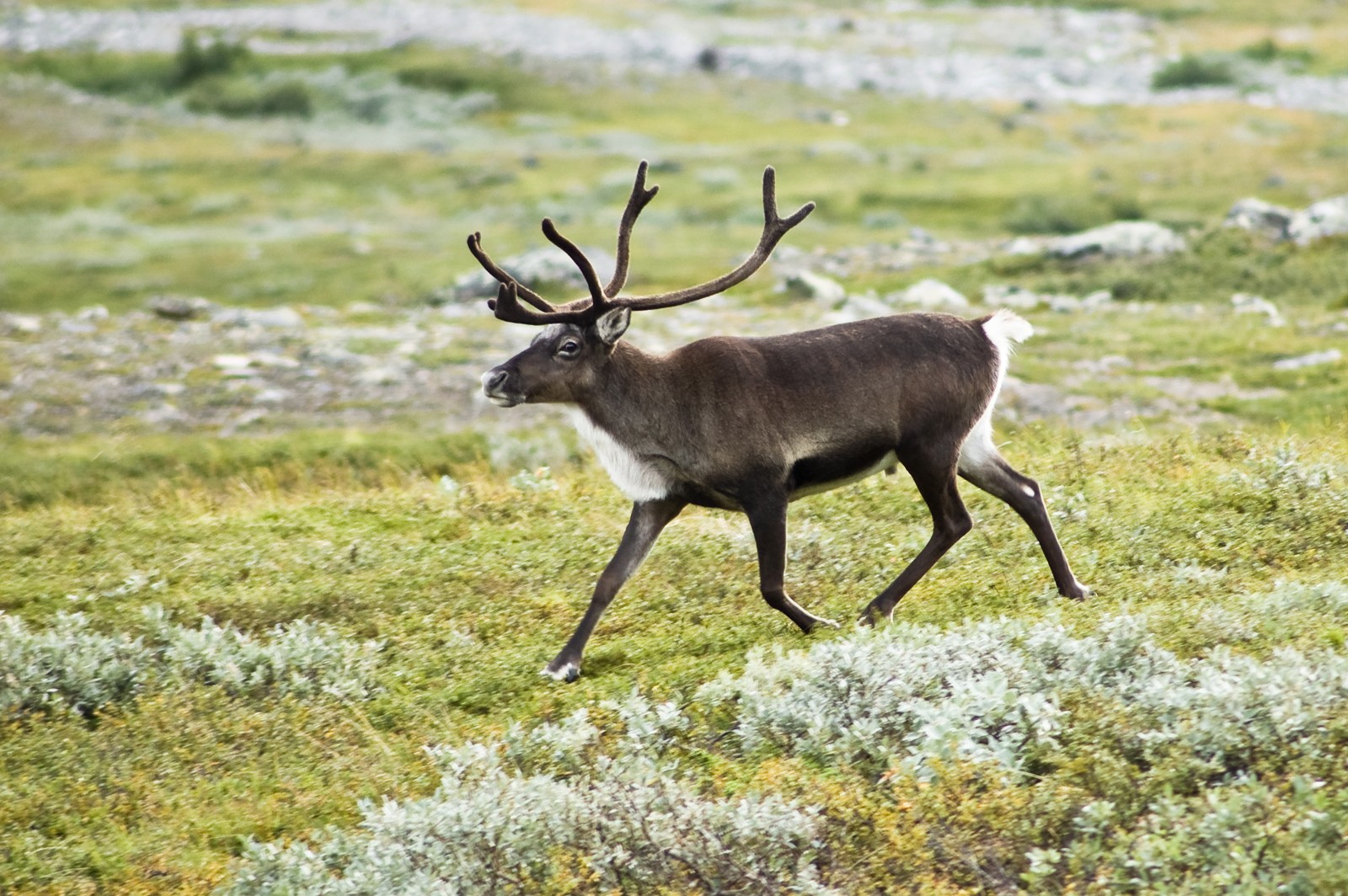
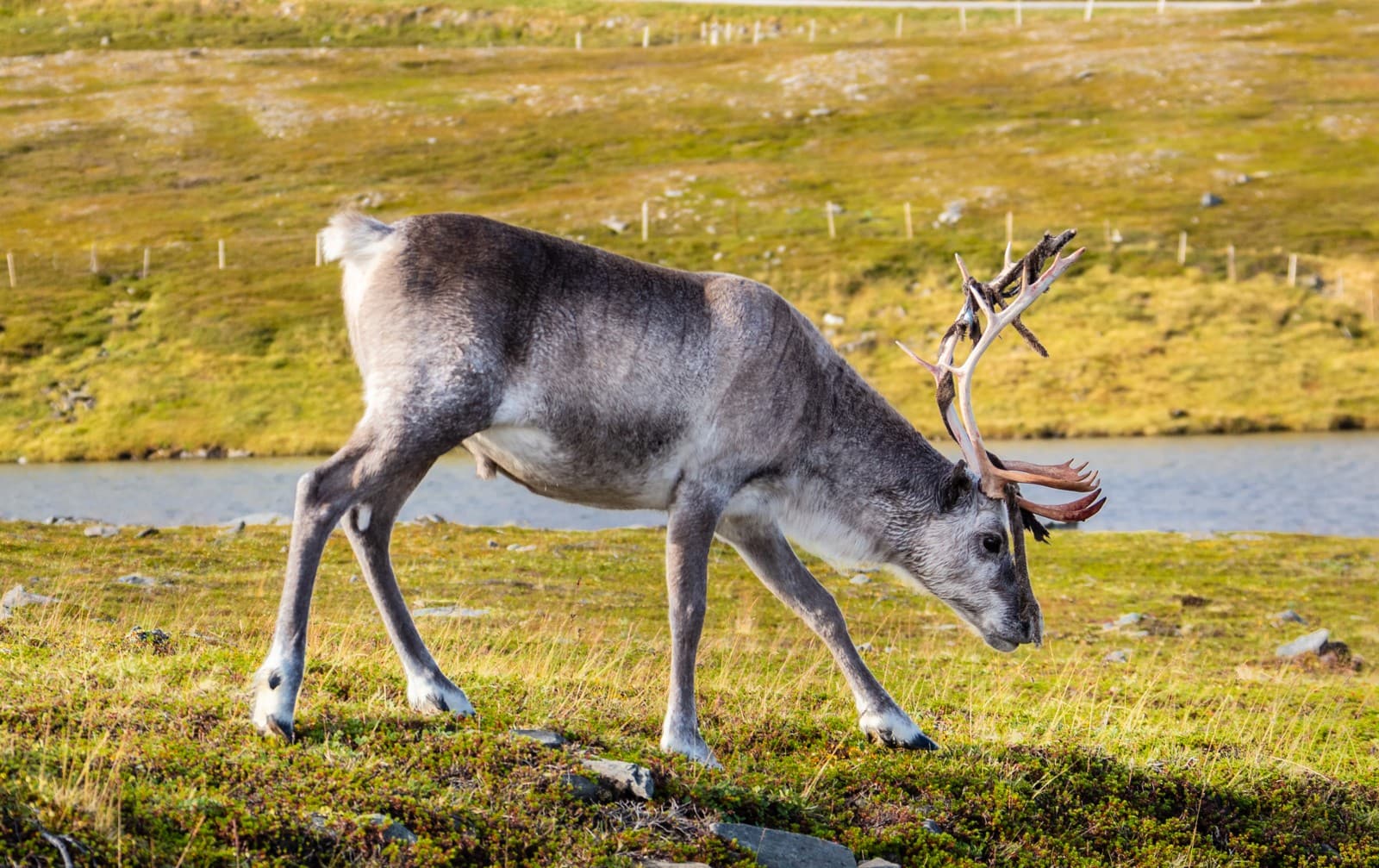
© Alexandre Buisse (Nattfodd) / CC BY-SA 3.0
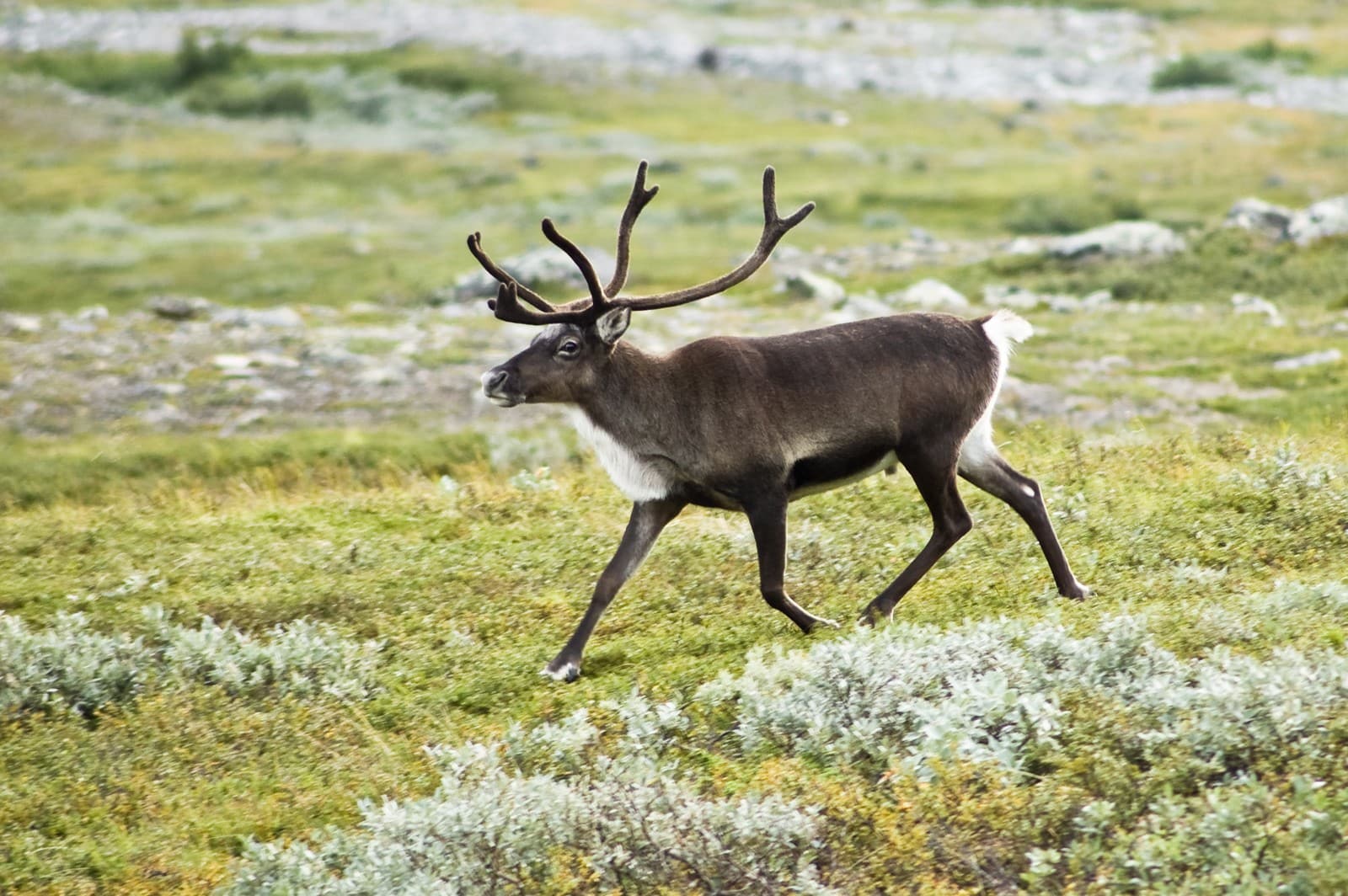
Reindeer showcase remarkable adaptation through their specialized hooves that expand in summer for soft tundra and contract in winter for better grip on ice, demonstrating their mastery of seasonal Arctic conditions.
Key Differences: Musk Ox vs Reindeer Comparison
| Feature | Musk Ox | Reindeer |
|---|---|---|
| Weight | 400-800 lbs (181-363 kg) | 180-350 lbs (82-159 kg) |
| Defense Strategy | Circle formation, horn combat | Flight, stamina, group vigilance |
| Head Ornaments | Permanent horns in both sexes | Annual antlers in both sexes |
| Movement Pattern | Sedentary, territorial | Long-distance migration |
| Cold Adaptation | Qiviut undercoat | Hollow hair, nose heat exchange |
| Diet | Grasses, sedges, arctic willows | Lichens, moss, vegetation |
Habitat and Range Differences
Musk oxen are true Arctic specialists, remaining in the extreme north year-round. They inhabit the tundra regions of Greenland, Alaska, and northern Canada, rarely venturing below the Arctic Circle. In contrast, reindeer range from the Arctic tundra to the northern boreal forests, with some populations migrating between these zones seasonally.
Survival Strategies
Musk Ox Defense Tactics
- Form circular defensive formations
- Adults face outward with calves protected inside
- Use massive horns and bulk for predator defense
- Maintain year-round social groups
Reindeer Adaptation Methods
- Migrate to avoid predators and find food
- Click-producing leg tendons for group coordination
- UV-reflective eyes for enhanced winter vision
- Specialized hooves for various terrain types
Who Would Win in a Confrontation?
While direct confrontations are rare in nature, a musk ox would likely prevail in a defensive encounter due to its significant size advantage and powerful horns. Adult musk oxen weigh more than twice as much as reindeer and regularly defend against wolves and bears. However, reindeer’s superior speed and agility (reaching speeds of 50 mph/80 kph) typically allow them to avoid such confrontations entirely.
Conservation Status and Threats
Both species face challenges from climate change, but their responses differ markedly:
Musk Ox Challenges
- Limited genetic diversity
- Restricted range
- Vulnerable to extreme weather events
- Population estimated at 170,000 worldwide
Reindeer Concerns
- Habitat fragmentation
- Migration route disruption
- Declining lichen availability
- Global population approximately 2 million
Interesting Adaptations
Musk Ox Special Features
- Qiviut wool valued at $200/oz ($7,055/kg)
- Can survive extreme cold without shelter
- Metabolic rate drops 30% in winter
- Digestive system processes frozen vegetation
Reindeer Unique Traits
- Only deer species where females grow antlers
- Eyes change color seasonally (gold to blue)
- Can see ultraviolet light
- Nasal turbinate system pre-warms air by 80°C
Both species represent remarkable examples of Arctic adaptation, but their distinct approaches to survival highlight the diversity of successful strategies in extreme environments. While musk oxen exemplify the fortress approach to Arctic living, reindeer demonstrate the advantages of mobility and seasonal adaptation.