Polar Bear vs Brown Bear: Ultimate Size & Strength Comparison Guide
In the ultimate showdown of ursine giants, the Polar Bear vs Brown Bear comparison reveals fascinating differences between Earth’s largest terrestrial carnivore and its forest-dwelling cousin. While polar bears can reach weights of 1,500 pounds (680 kg), brown bears typically max out at 1,200 pounds (545 kg). Despite their shared ancestry diverging roughly 500,000 years ago, these magnificent bears have evolved distinct characteristics shaped by their environments.
The most striking contrast between polar bears and brown bears lies in their specialized adaptations. Polar bears evolved for a life hunting seals on Arctic sea ice, developing white fur, larger paws, and more streamlined bodies. Brown bears, meanwhile, maintained their robust, muscular builds and omnivorous diet, perfectly suited for foraging across diverse terrestrial habitats.
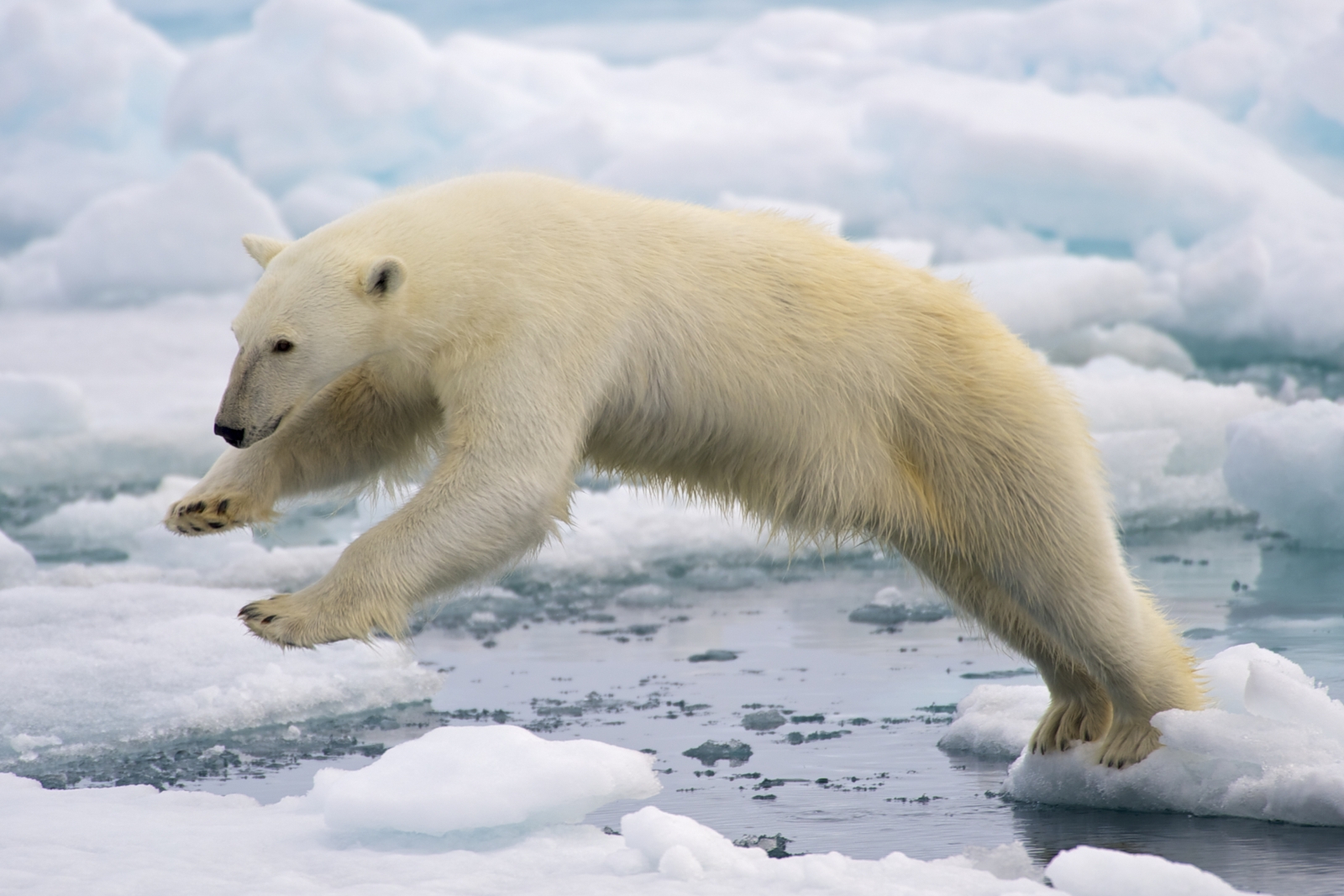
© Arturo de Frias Marques / CC BY-SA 4.0
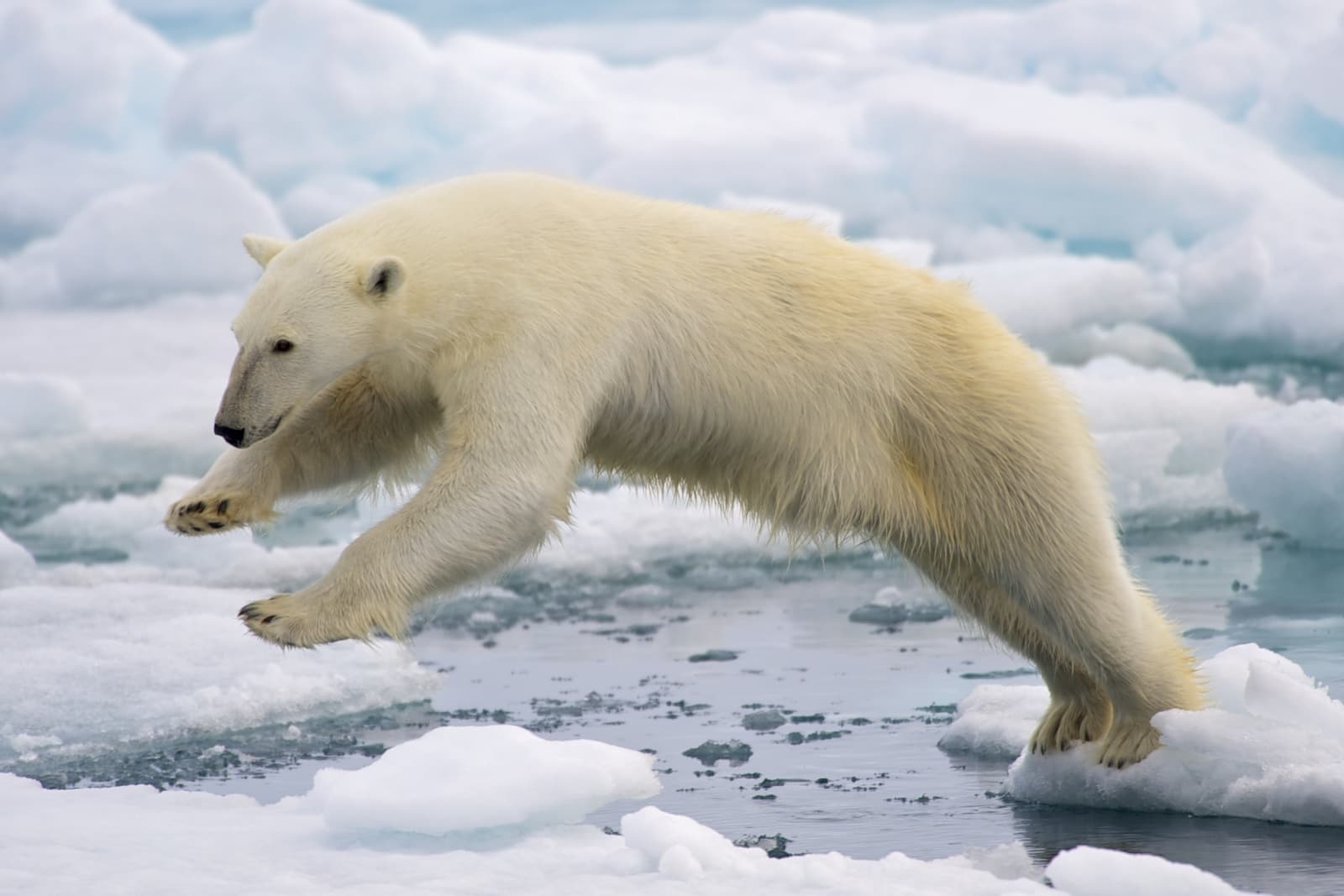
The polar bear’s remarkable adaptation to Arctic life is evident in its powerful swimming ability and specialized hunting techniques. These marine mammals can swim for days at a time, covering distances of up to 100 miles (160 km) through frigid waters.
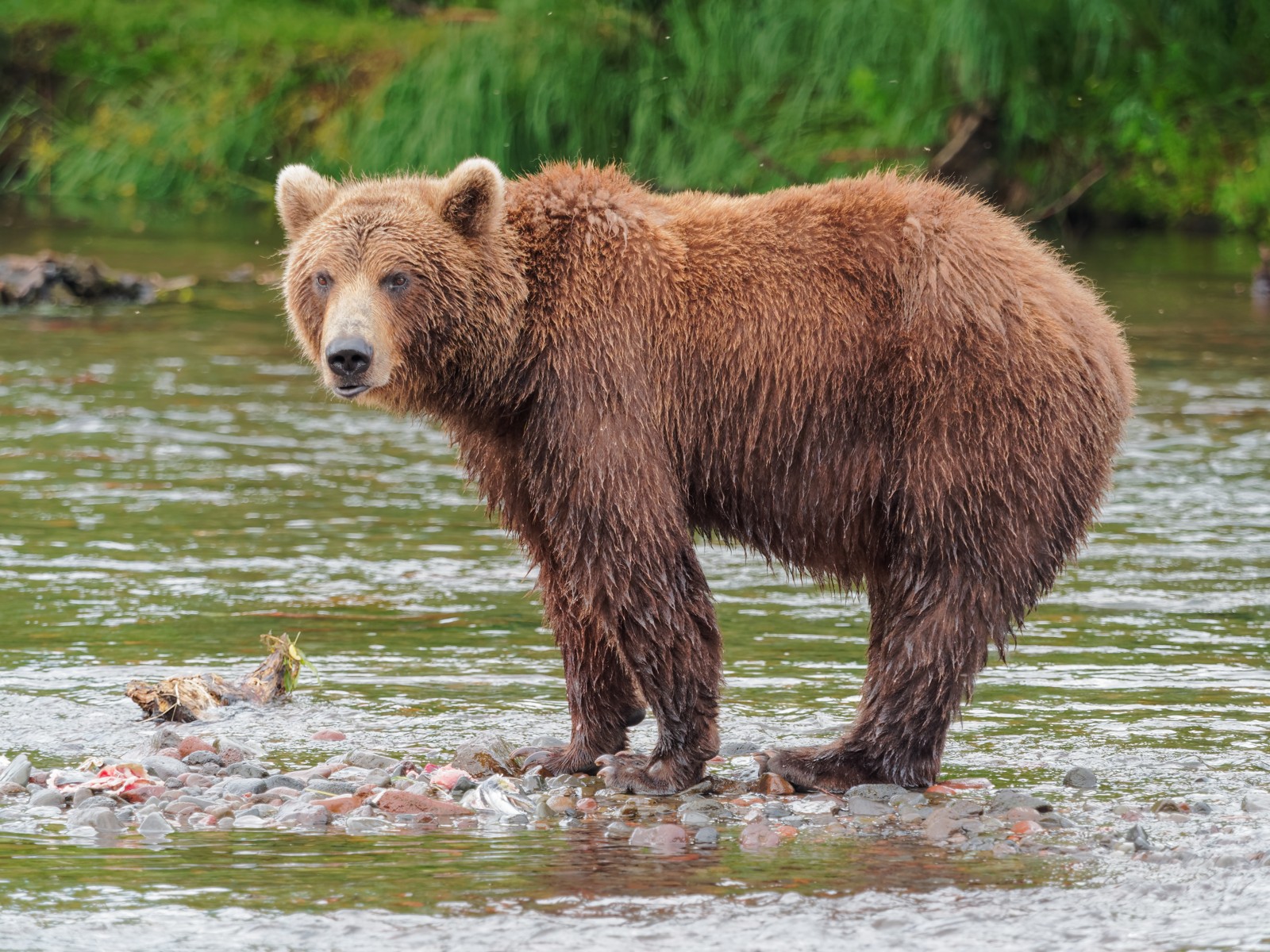
© Robert F. Tobler / CC BY-SA 4.0
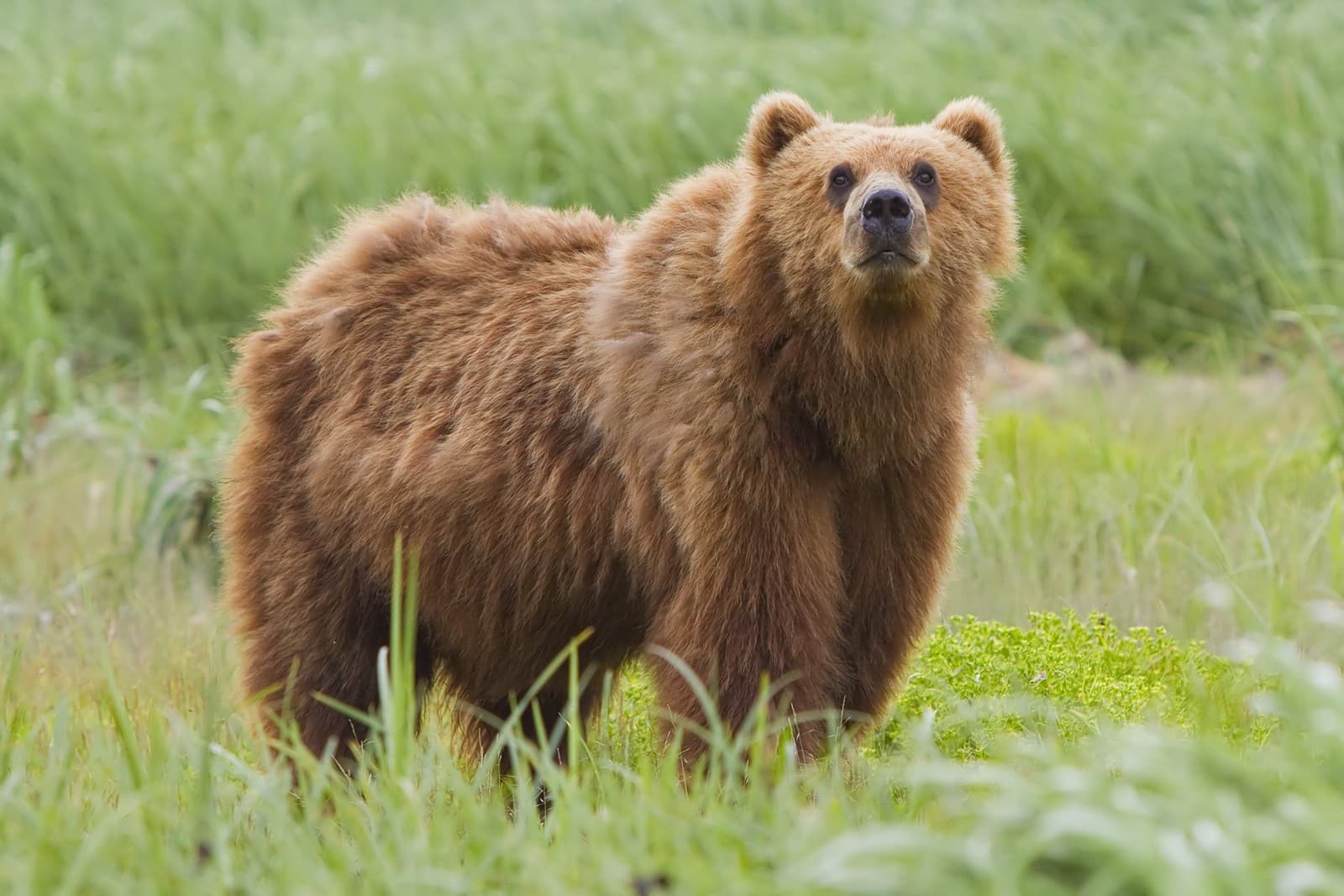
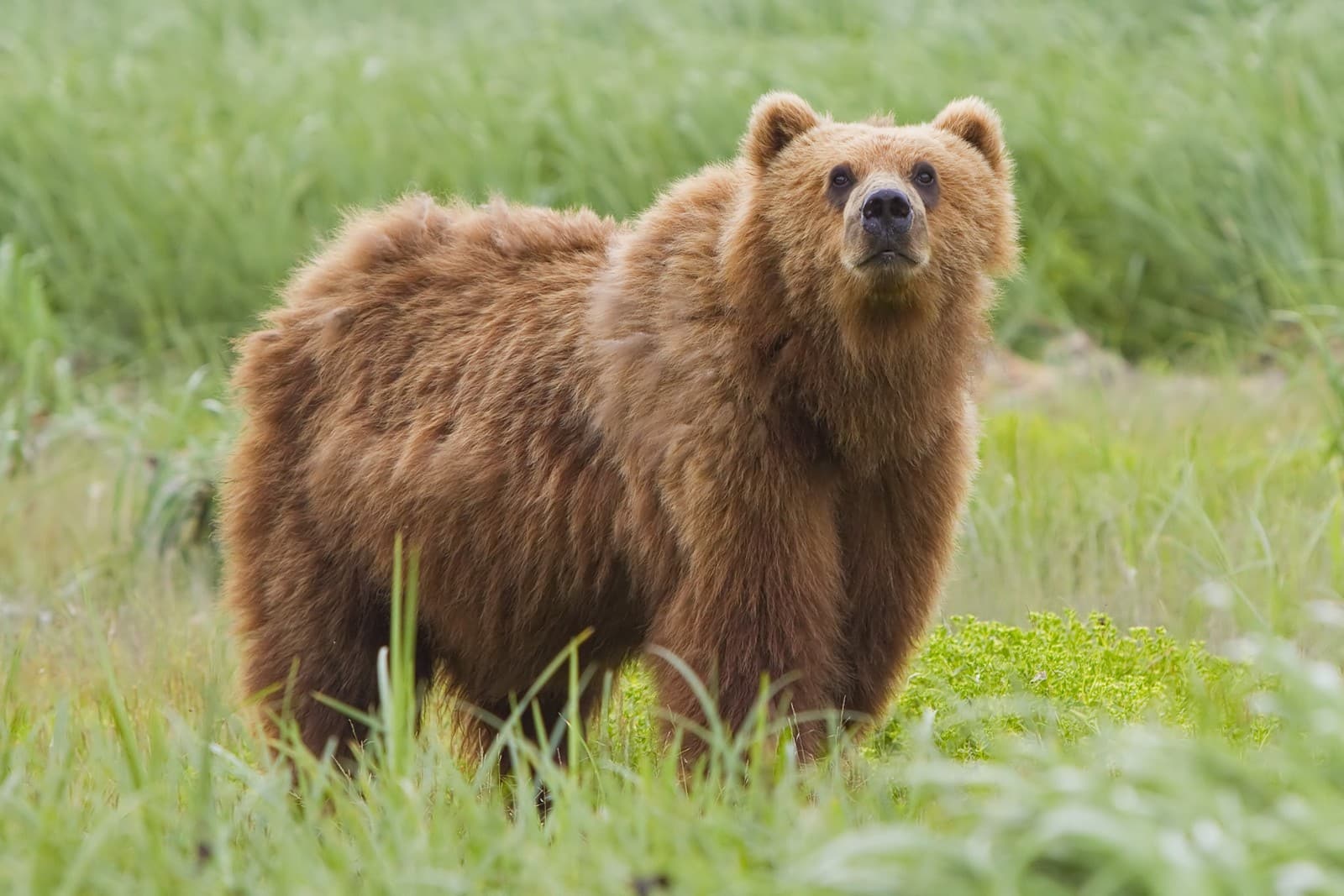
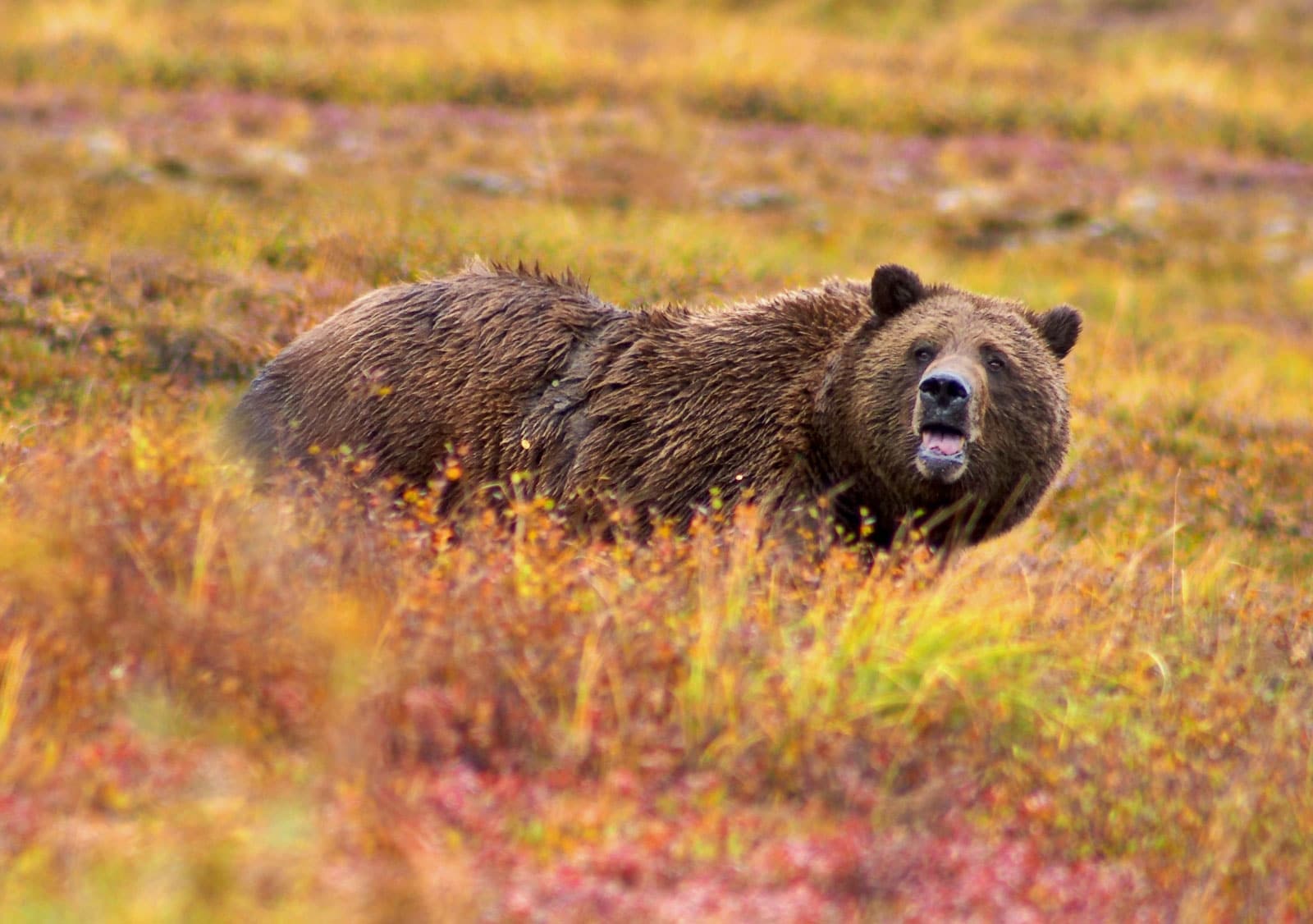
Brown bears showcase their versatility in diverse habitats, from coastal regions to mountain forests. Their powerful digging abilities and omnivorous diet allow them to thrive across vast geographic ranges.
| Feature | Polar Bear | Brown Bear |
|---|---|---|
| Average Male Weight | 900-1500 lbs (408-680 kg) | 400-1200 lbs (180-545 kg) |
| Shoulder Height | 4.2-5.3 ft (1.3-1.6 m) | 3.3-4.9 ft (1-1.5 m) |
| Body Length | 7.2-8.2 ft (2.2-2.5 m) | 6.5-7.5 ft (2-2.3 m) |
| Primary Diet | Seals, whale carcasses | Plants, fish, mammals |
| Habitat | Arctic sea ice, coastal areas | Forests, mountains, tundra |
| Fur Color | White/cream | Brown, black, blonde |
Physical Differences Between Polar Bears and Brown Bears
The most obvious distinction in the polar bear vs brown bear comparison is their coloration, but deeper anatomical differences reveal their specialized evolutionary paths. Polar bears possess longer necks, more streamlined heads, and larger, partially webbed paws that make them superior swimmers. Brown bears feature a distinctive shoulder hump, broader heads, and shorter, curved claws ideal for digging.
Hunting and Feeding Behavior
While both species are apex predators, their hunting strategies differ dramatically. Polar bears are hypercarnivorous, with 97% of their diet consisting of marine mammals, primarily seals. They employ still-hunting techniques, waiting patiently by seal breathing holes. Brown bears demonstrate remarkable dietary flexibility, consuming everything from salmon and small mammals to berries and roots.
Habitat and Range
Polar bears inhabit the circumpolar Arctic, rarely venturing south of the Arctic Circle except in Canada’s Hudson Bay region. Brown bears show remarkable adaptability, ranging from coastal Alaska to mountainous regions across North America, Europe, and Asia. This habitat flexibility has led to numerous subspecies, including the famous Kodiak and Grizzly bears.
Who Would Win in a Fight?
From a purely scientific perspective, a male polar bear would likely prevail in a confrontation with a brown bear of similar size. Polar bears possess several advantages:
- Greater average size and weight
- More powerful bite force (1,200 psi vs 975 psi)
- More aggressive predatory nature
- Longer claws and larger paws
However, such encounters rarely occur in nature due to minimal habitat overlap, except in a few regions where climate change is altering traditional ranges.
Conservation Status and Threats
Both species face significant challenges from human activities:
-
Polar Bears: Vulnerable (IUCN Red List)
- Primary threat: Climate change and sea ice loss
- Estimated population: 22,000-31,000
-
Brown Bears: Least Concern (IUCN Red List)
- Primary threats: Habitat fragmentation and human conflict
- Estimated population: 200,000 worldwide
Interesting Facts and Adaptations
- Polar bears have black skin beneath their transparent fur, which appears white due to light reflection
- Brown bears can consume up to 90 pounds (40 kg) of food per day during pre-hibernation hyperphagia
- Polar bears do not hibernate, except for pregnant females
- Brown bears can run at speeds up to 35 mph (56 km/h) despite their massive size
Understanding the polar bear vs brown bear comparison reveals how environmental pressures can drive the evolution of remarkably different characteristics in closely related species. While both bears rank among nature’s most impressive predators, their specialized adaptations showcase the remarkable diversity of ursine evolution.