Ptarmigan vs Grouse: Key Differences in These Mountain Game Birds
While ptarmigan and grouse belong to the same family of game birds (Phasianidae), they exhibit distinct adaptations that set them apart. Ptarmigan are specialized for life in harsh arctic and alpine environments, changing their plumage color seasonally from brown in summer to pure white in winter. Grouse, meanwhile, maintain their darker plumage year-round and inhabit a broader range of environments from grasslands to forests.
The most striking difference between ptarmigan and grouse appears in their size and weight. Ptarmigan typically weigh 14-24 ounces (400-680g), while most grouse species are notably larger, with some like the Capercaillie reaching up to 14 pounds (6.5kg). This size difference reflects their distinct evolutionary adaptations to different environmental pressures.
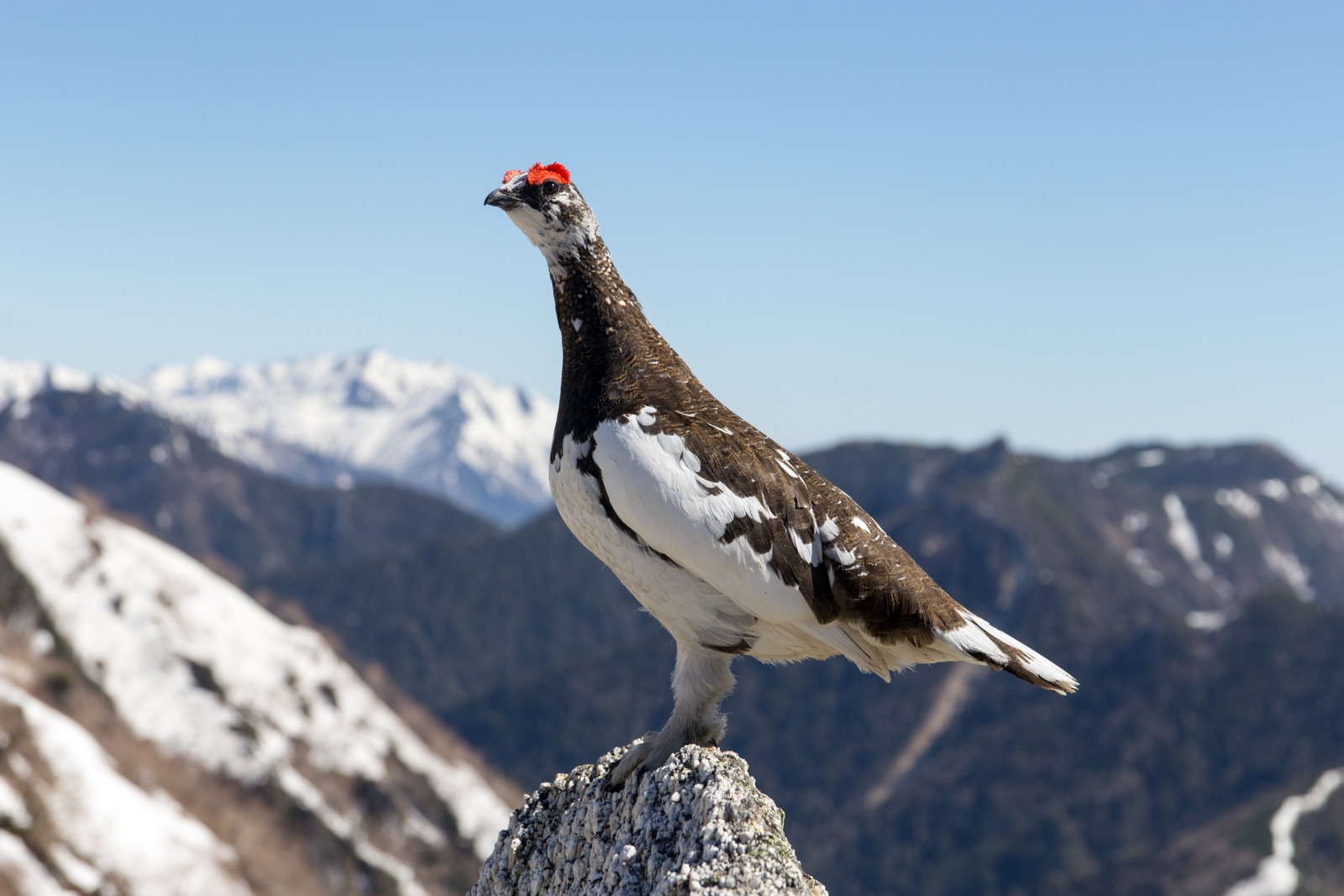
The White-tailed Ptarmigan demonstrates the remarkable seasonal camouflage that distinguishes ptarmigan from other grouse species. Note the specialized feathered feet and transitional plumage perfectly suited for alpine environments.
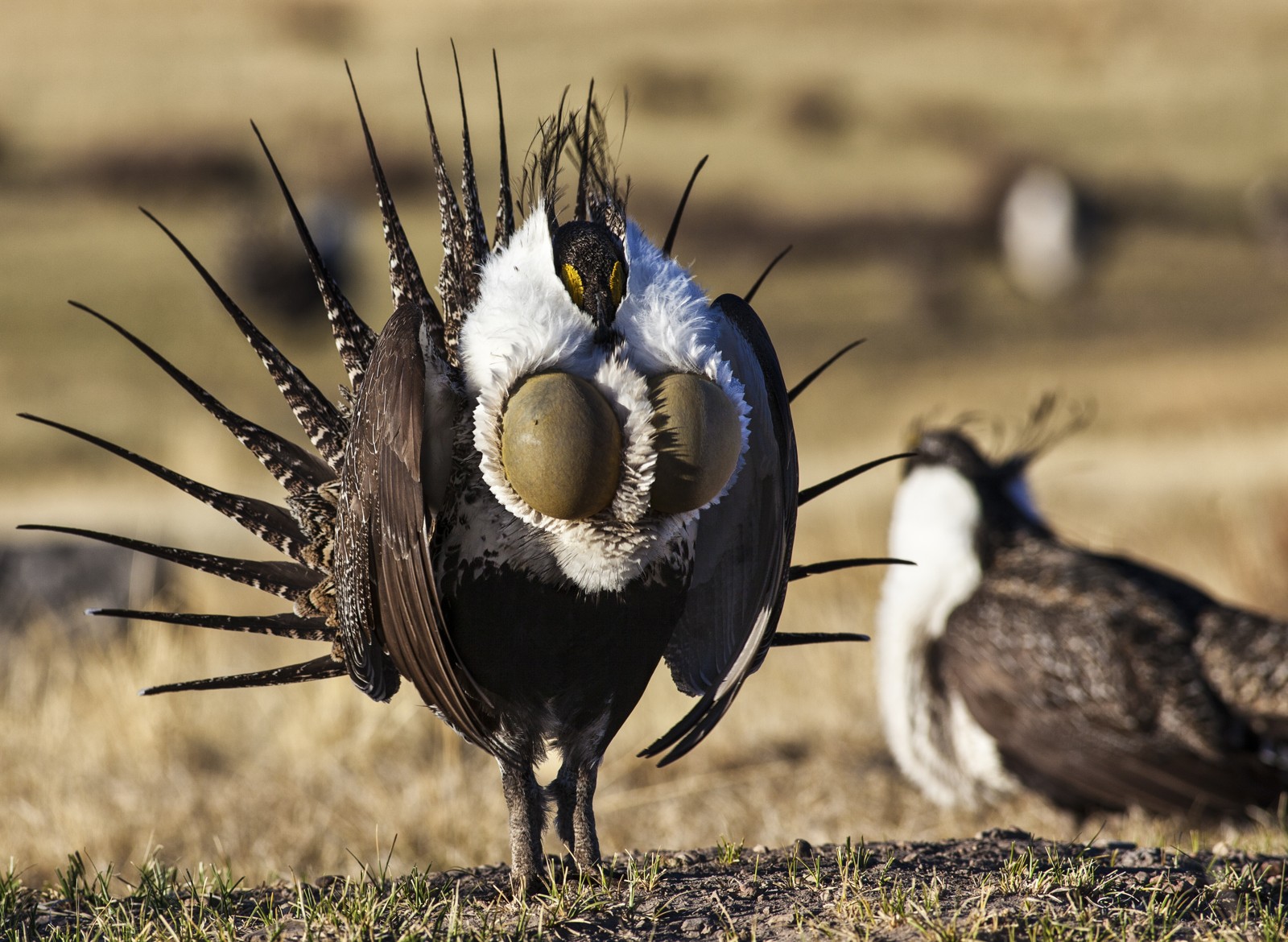
The Greater Sage-Grouse exemplifies typical grouse characteristics with its larger size, elaborate courtship display, and habitat-specific plumage that remains consistent throughout the year.
Key Differences: Ptarmigan vs Grouse
| Feature | Ptarmigan | Grouse |
|---|---|---|
| Habitat | Arctic and alpine regions above treeline | Varied: forests, grasslands, moorland |
| Seasonal Plumage | Changes from brown to white in winter | Maintains consistent coloration year-round |
| Size | 14-24 oz (400-680g) | 24-224 oz (680-6350g) depending on species |
| Feet | Heavily feathered with snowshoe-like adaptation | Partially feathered or bare |
| Diet | Arctic/alpine vegetation, buds, insects | Varied: seeds, berries, insects, leaves |
| Range | Circumpolar arctic and high mountains | Widespread across Northern Hemisphere |
Habitat and Distribution
Ptarmigan are true specialists of extreme environments, thriving in arctic tundra and alpine zones above 10,000 feet (3,048m). Their entire biology is adapted to survive in areas where few other birds can persist year-round. Grouse, conversely, occupy a broader range of habitats from sea level to moderate elevations, including forests, grasslands, and heathland.
Seasonal Adaptations
The most remarkable distinction between ptarmigan and grouse lies in their seasonal adaptations. Ptarmigan undergo three complete plumage changes annually:
- Summer: Mottled brown for camouflage among rocks
- Autumn: Mixed white and brown transitional plumage
- Winter: Pure white except for black tail feathers
Grouse maintain their cryptic brown, black, and white plumage patterns throughout the year, relying instead on behavioral adaptations to survive seasonal changes.
Behavioral Differences
While both ptarmigan and grouse engage in elaborate courtship displays, their social structures differ significantly:
- Ptarmigan typically form monogamous pairs during breeding season
- Most grouse species gather in leks where males compete for females
- Ptarmigan remain active throughout winter, while many grouse species reduce activity
- Grouse typically roost in trees, while ptarmigan shelter in snow burrows
Physical Adaptations
Beyond plumage, several physical adaptations distinguish ptarmigan from grouse:
- Foot Structure
- Ptarmigan: Completely feathered feet and toes for walking on snow
- Grouse: Partially feathered feet with exposed scales
- Body Shape
- Ptarmigan: More compact body with shorter tail
- Grouse: Larger, more robust build with longer tail feathers
- Bill Shape
- Ptarmigan: Smaller, more pointed bill adapted for arctic vegetation
- Grouse: Larger, stronger bill for varied diet
Who Would Win in a Confrontation?
While direct confrontations between ptarmigan and grouse are rare due to habitat separation, larger grouse species would likely dominate in any interaction due to their significant size advantage. However, in their respective environments, each is supremely adapted for survival, making such comparisons largely academic.
Both ptarmigan and grouse demonstrate remarkable adaptations that allow them to thrive in their chosen habitats, representing different evolutionary solutions to the challenges of survival in northern environments.