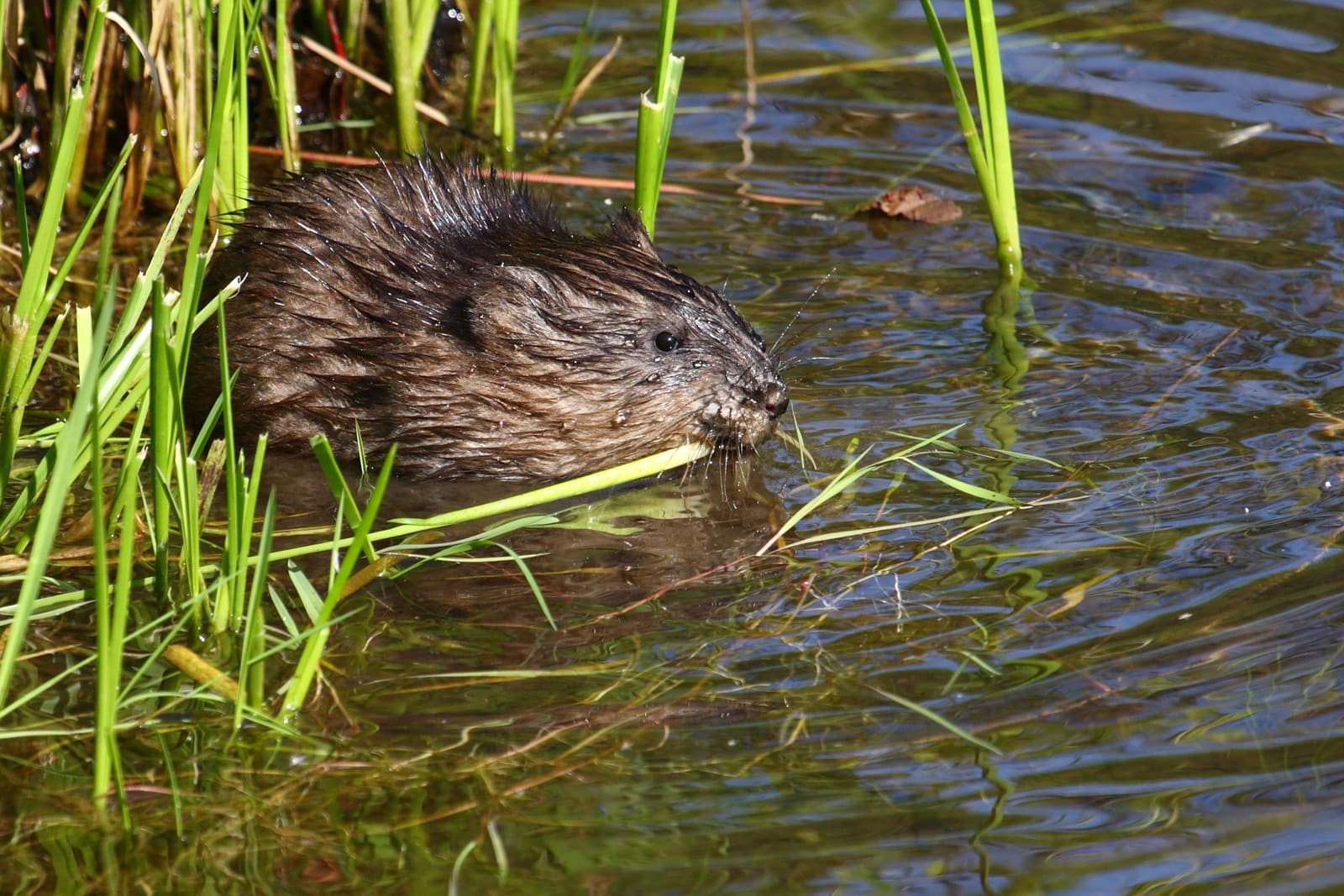
Wolverine vs Pine Marten: Size, Strength & Habitat Comparison
When comparing the Wolverine vs Pine Marten, we’re examining two remarkable members of the mustelid family with dramatically different sizes and lifestyles. The wolverine (Gulo gulo) stands as the largest terrestrial member of the weasel family, weighing 20-55 pounds (9-25 kg), while the Pine Marten (Martes martes) is a much smaller relative at 1.5-3.5 pounds (0.7-1.6 kg).
These carnivorous mammals share some family traits but differ significantly in their hunting strategies, habitat preferences, and physical capabilities. The wolverine has earned its reputation as the “beast of the north,” capable of taking down prey many times its size, while the Pine Marten specializes in agile tree-dwelling hunting.
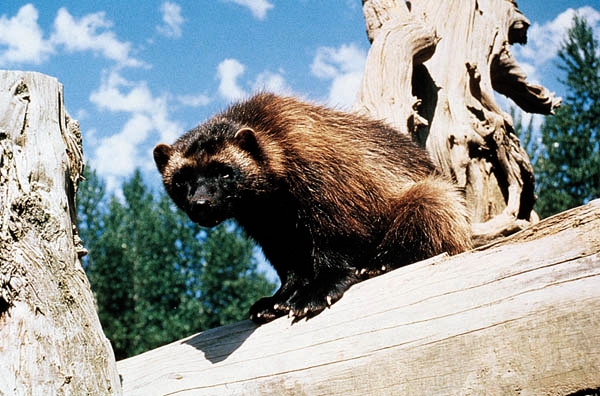
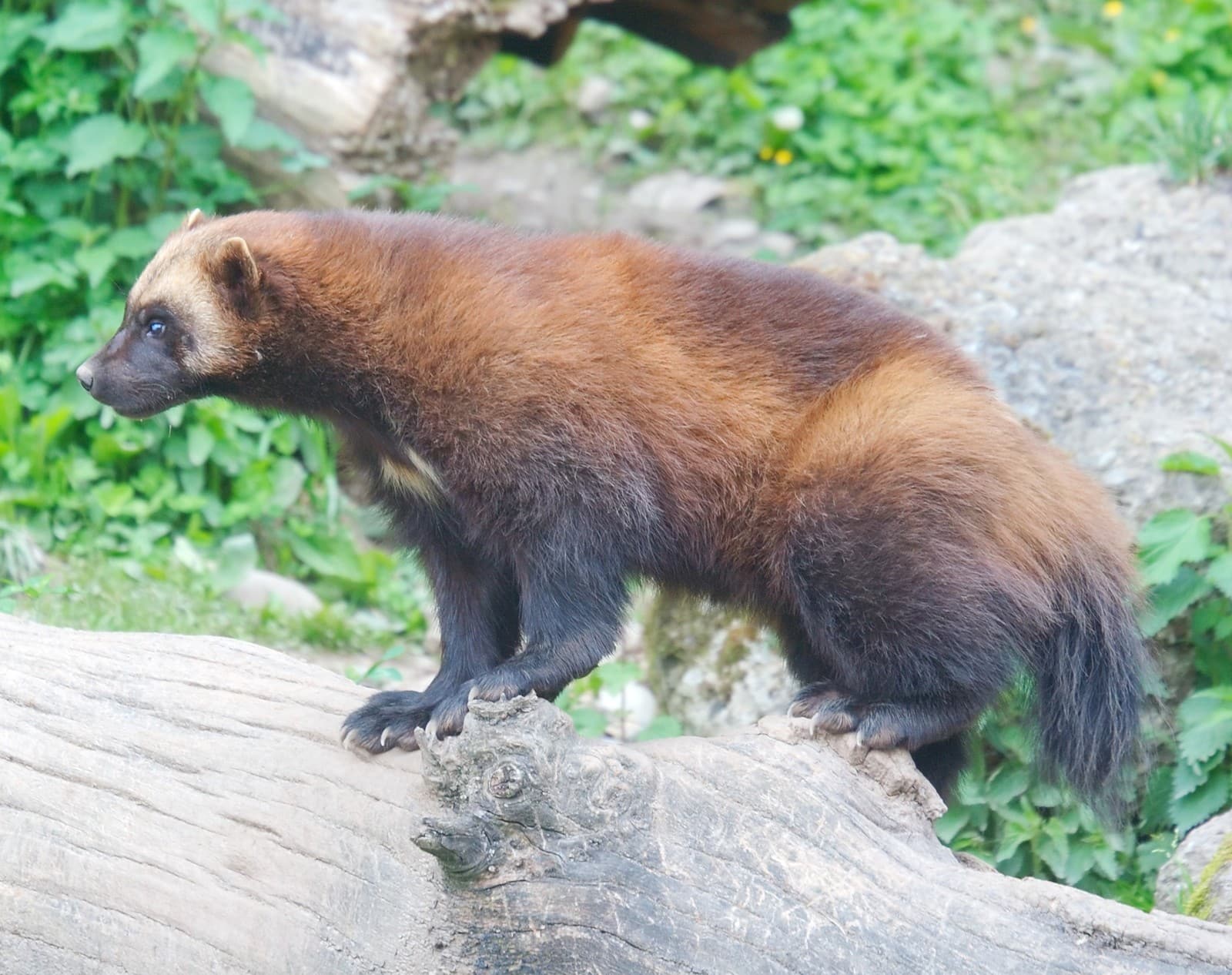
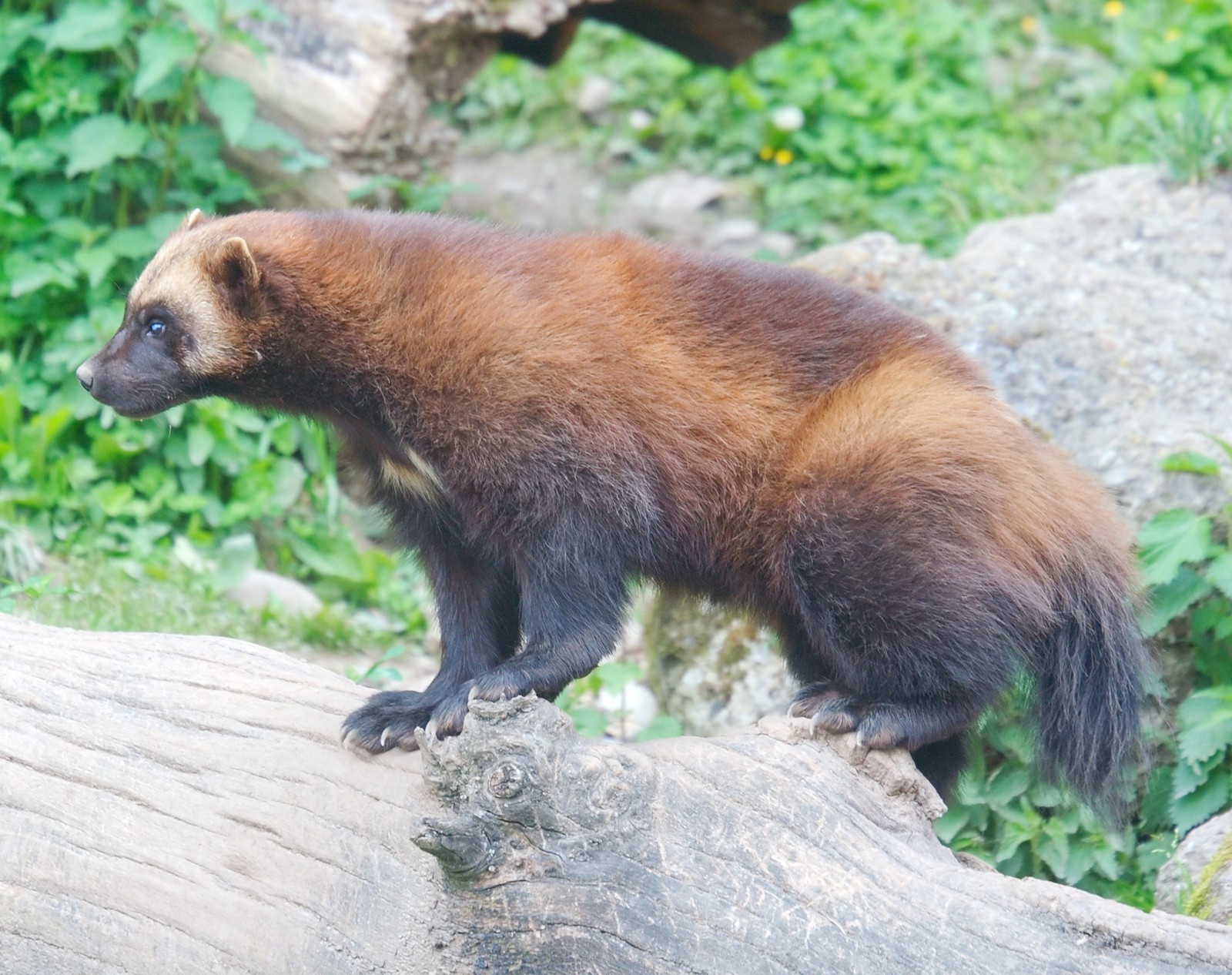
The wolverine’s powerful build and robust frame make it one of the most formidable predators in northern ecosystems. Note the characteristic muscular shoulders and broad head that enable it to crush frozen carcasses and bone.
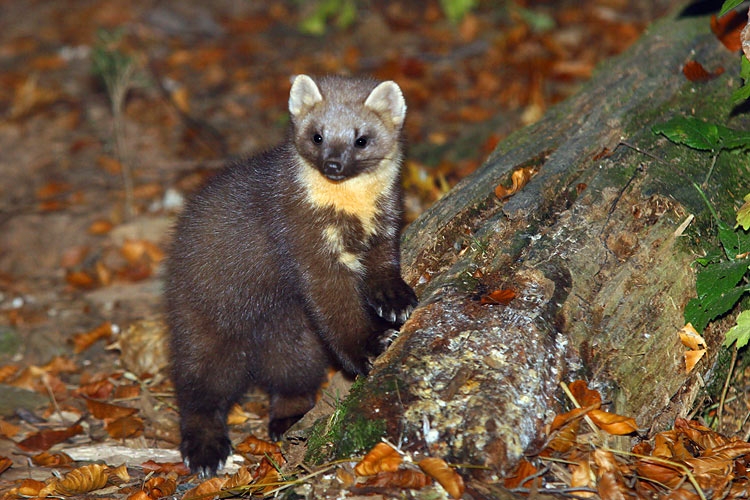
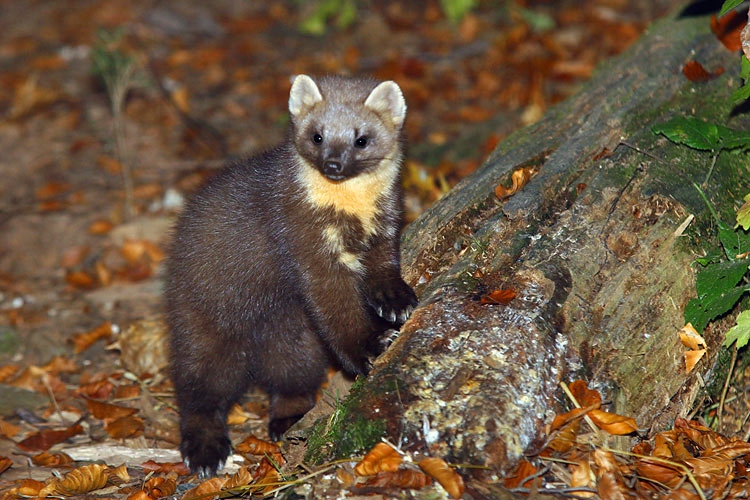
The Pine Marten’s sleek form and distinctive cream-colored bib showcase its arboreal adaptations. Its smaller size and agile build allow it to pursue prey through the treetop canopy with remarkable efficiency.
Key Physical Differences
| Feature | Wolverine | Pine Marten |
|---|---|---|
| Weight | 20-55 lbs (9-25 kg) | 1.5-3.5 lbs (0.7-1.6 kg) |
| Body Length | 26-34 inches (65-87 cm) | 16-20 inches (40-50 cm) |
| Habitat | Arctic/subarctic regions | Temperate woodlands |
| Diet | Large ungulates, carrion | Small mammals, birds, insects |
| Climbing Ability | Limited climber | Excellent climber |
| Territory Size | Up to 500 sq miles | 0.4-2 sq miles |
Habitat and Range
The wolverine and Pine Marten occupy distinctly different ecological niches. Wolverines thrive in harsh arctic and subarctic environments, requiring vast territories across North America and Northern Europe. These solitary animals can range over 500 square miles in search of food.
Pine Martens, conversely, inhabit temperate woodlands throughout Europe and parts of Asia. Their smaller territories, typically 0.4-2 square miles, reflect their specialized arboreal lifestyle and more abundant food sources.
Hunting and Diet
Wolverine Hunting Strategy
- Powerful enough to take down adult caribou
- Excellent scavengers with powerful jaws
- Can detect carrion beneath 20 feet of snow
- Travel long distances to find food
- Known to cache food for later use
Pine Marten Hunting Strategy
- Agile tree hunters
- Primarily target small mammals and birds
- Expert at pursuing prey through branches
- Opportunistic feeders including berries
- Hunt both day and night
Survival Adaptations
Wolverines possess incredibly strong jaws and teeth capable of crushing frozen meat and bone. Their large, padded feet act as natural snowshoes, while their thick fur resists frost and snow. These adaptations make them perfectly suited for life in extreme northern environments.
Pine Martens have evolved for arboreal agility, with semi-retractable claws and long tails for balance. Their smaller size and excellent climbing abilities allow them to access food sources unavailable to larger predators.
Conservation Status
Both species face challenges from habitat loss and climate change, but their conservation status differs significantly. Wolverines are considered threatened in many parts of their range due to their low population density and specific habitat requirements. Pine Martens have shown more resilience, though they’ve experienced local declines in some regions due to deforestation.
Who Would Win in a Confrontation?
While such encounters are extremely rare due to different habitat preferences, a wolverine would decisively dominate any confrontation with a Pine Marten. The size difference alone (wolverines being 10-15 times heavier) makes this an uneven match, not to mention the wolverine’s legendary strength and aggressive temperament.
Conclusion
The comparison between Wolverine vs Pine Marten illustrates the diverse adaptations within the mustelid family. While both are skilled predators, they’ve evolved to occupy vastly different ecological niches. The wolverine represents the family’s apex predator, while the Pine Marten exemplifies specialized arboreal adaptation. Understanding these differences helps appreciate the remarkable diversity of carnivorous mammals and their roles in maintaining healthy ecosystems.